Centripetal Force Apparatus

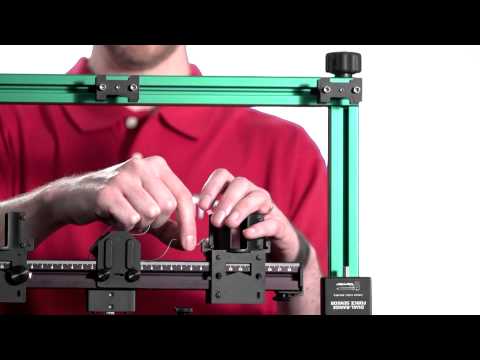
Product image for Centripetal Force Apparatus
Product in use image for Centripetal Force Apparatus
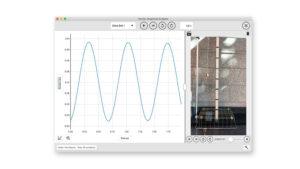
Product image for Centripetal Force Apparatus

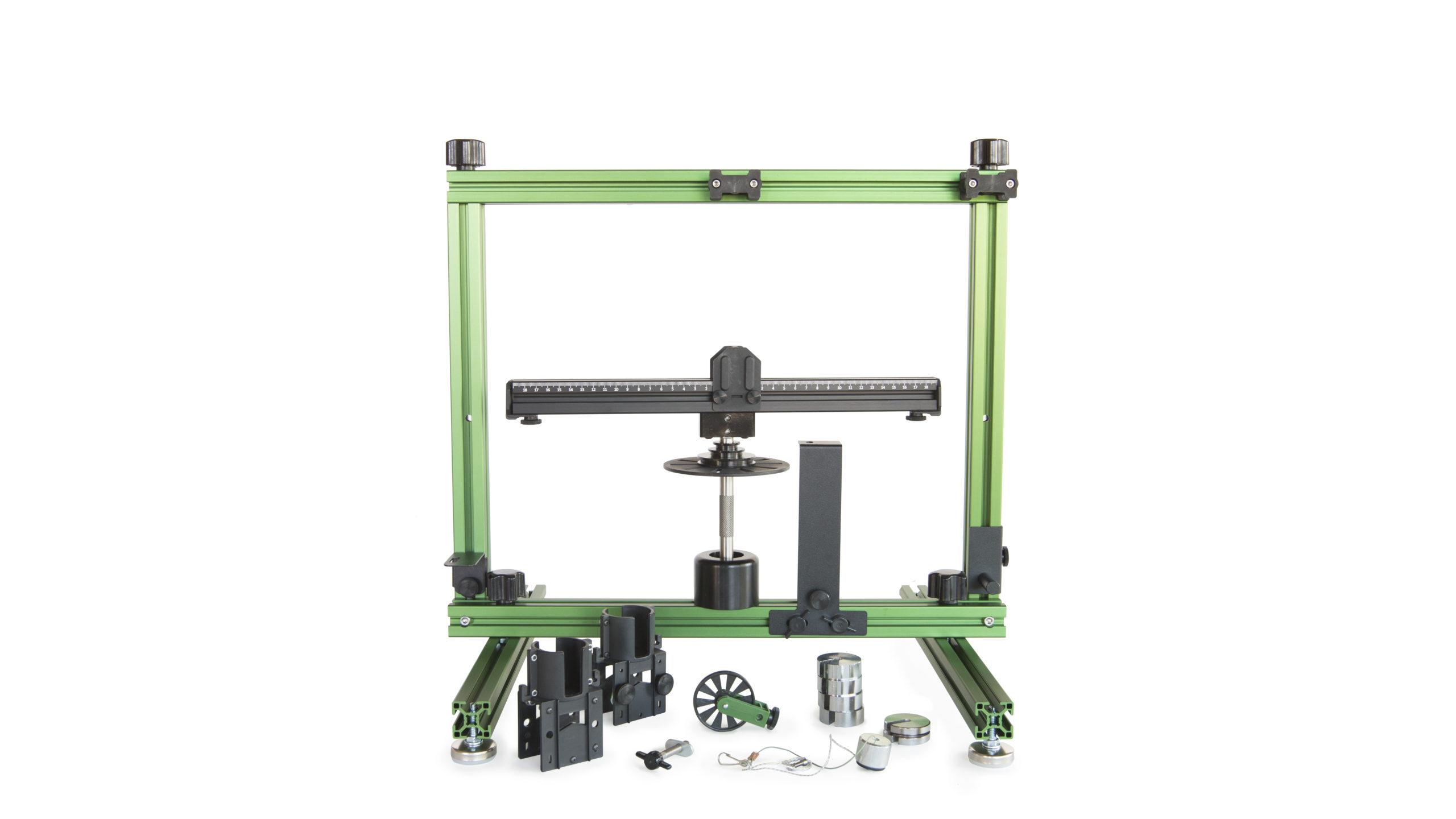
The Centripetal Force Apparatus allows you to investigate the relationship between centripetal force, angular velocity, mass, and radius.

Description

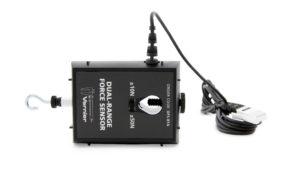
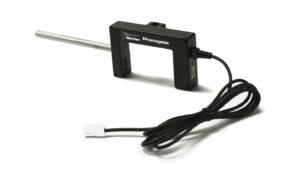
A force sensor measures the centripetal force exerted on a mass as it moves in a circle. A photogate can be used to measure the angular speed. Different masses can be added to the platform and positioned at variable radii. The platform can be driven by a falling mass. The apparatus also accommodates the Vernier Wireless Dynamic Sensor System to measure force, which provides the best set of data. Sensors are sold separately.

Experiments and Lab Ideas

What’s Included

  • Rectangular Frame
  • Support Legs (2)
  • Rotating Assembly consisting of Rotational Shaft, Encoder Wheel, 3-Step Pulley, Rotating Beam, Bearing Housing
  • Sliding Carriage to hold the test masses
  • Counterbalance Carriage to balance the rotating beam
  • Swivel Assembly (connects Sliding Carriage to a Dual-Range Force Sensor)
  • Ultra Pulley
  • Ultra Pulley Bracket (preinstalled on Assembly)
  • Photogate Bracket with 1/4 x 20 mounting screw (preinstalled on Assembly)
  • Dual-Range Force Sensor Bracket (preinstalled on Assembly)
  • 100 g masses (6)
  • Hook (attaches a Wireless Dynamic Sensor System to the Sliding Carriage)
  • WDSS Mounting Screw and T Nut to secure a WDSS
  • User manual

Teacher Review

“As an experimental physicist who teaches introductory physics, I strongly recommend Vernier’s new Centripetal Force Apparatus. It is extremely well thought out and engineered.”

Read the review »

Ordering Information

Due to the product weight, additional shipping charges may apply.

NameOrder CodePriceQuantity
Centripetal Force ApparatusCFA$399

Related Products

Educational use only: Vernier products are designed for educational use. They are not appropriate for industrial, medical, or commercial applications. Product usage disclaimer »

ORDER CODE CFA
$399

Sample Data

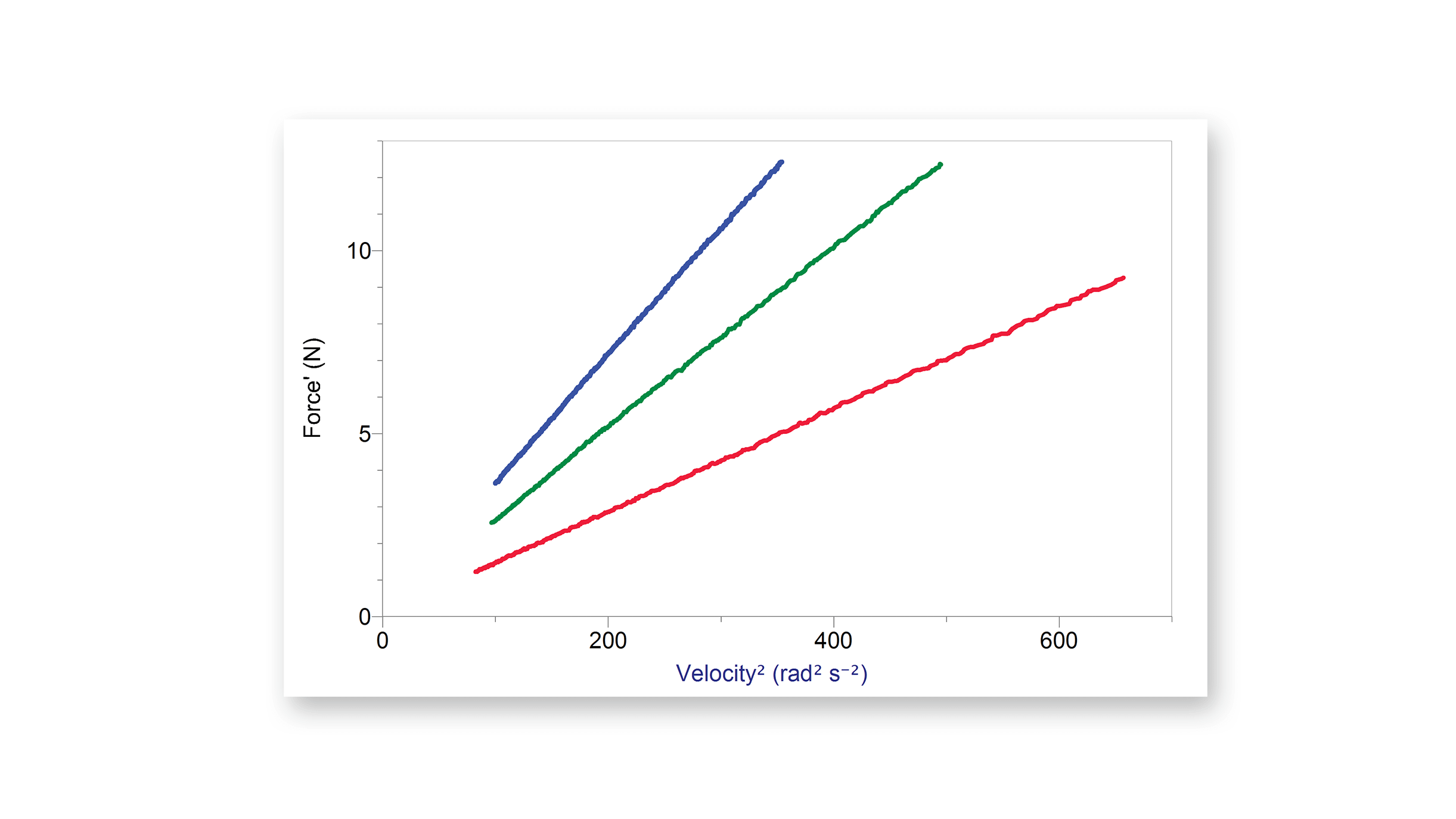
This graph shows the tension force in the restraining string (that is, the centripetal force) as a function of the square of the angular velocity of the system. Data were collected by giving the armature a spin, and then allowing it to slow down. Since angular velocity squared is on the horizontal axis, the slope is the product of the mass and radius of the spinning test mass. The three traces correspond to three different masses.
Get free experiments, innovative lab ideas, product announcements, software updates, workshop schedules, and resources for grants. Join our mailing list »
© 2013 Vernier Software & Technology, LLC. All rights reserved.
Set Your Location »