
Sharing ideas and inspiration for engagement, inclusion, and excellence in STEM
2025 has been a year of momentum and meaningful progress. We grew our Trendsetters Community, launched remote logging for Go Direct® sensors, and added new sensors to our lineup. We also continued modernizing our suite of analysis apps to give educators more flexible, future-ready tools and supported classrooms through ongoing initiatives like our Inspiration Grants.
As we wrap up 2025, we want to thank you for reading, sharing, trying new investigations with students, and offering ideas that help shape the resources we create. Your creativity and curiosity continue to inspire us. Here is a quick look back at the blog posts that resonated most with the STEM educators like you.
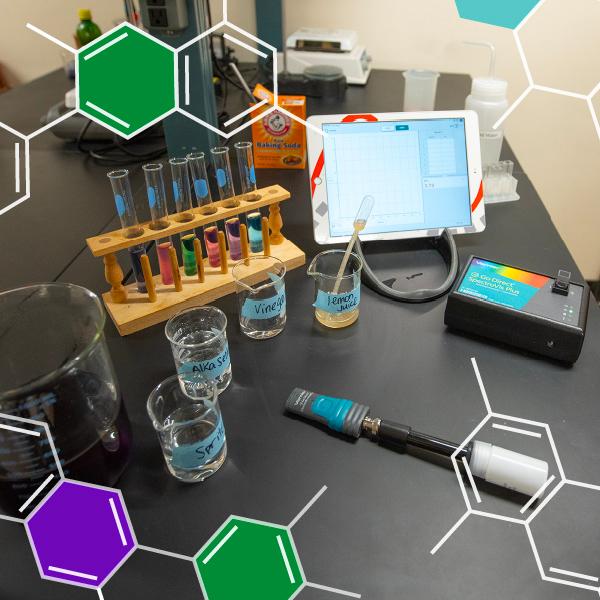
1. Why Did My Tea Turn Purple? A Green Chemistry Approach to Teaching Equilibrium
Vernier Director of Chemistry Dr. Melissa Hill shares a green chemistry experiment using butterfly pea tea to make equilibrium concepts more visible and intuitive. Students investigate color shifts, pH changes, and Le Châtelier’s principle with Go Direct sensors, turning an abstract topic into a vibrant, hands-on experience.
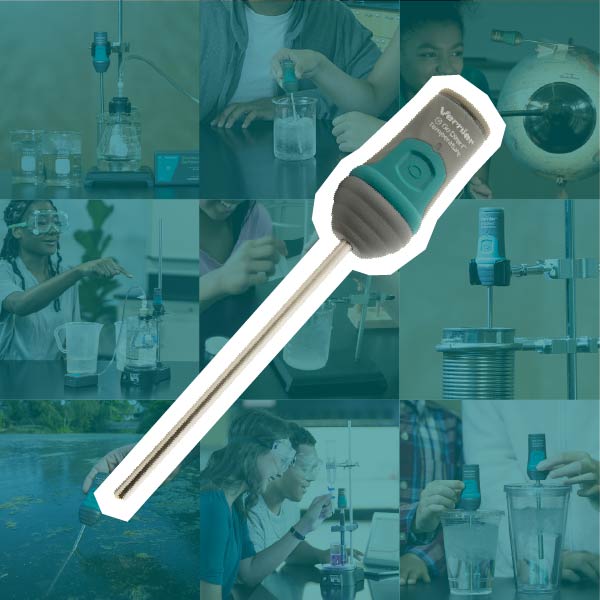
2. Seven Go Direct Temperature Probe Ideas from Elementary to Advanced
See just how versatile the Go Direct Temperature Probe is across subjects and grade levels. This post highlights seven hands‑on investigations—from mitten insulation and freezing point depression to urban heat islands and gas behavior—that help students connect real‑world phenomena to core math and science concepts.
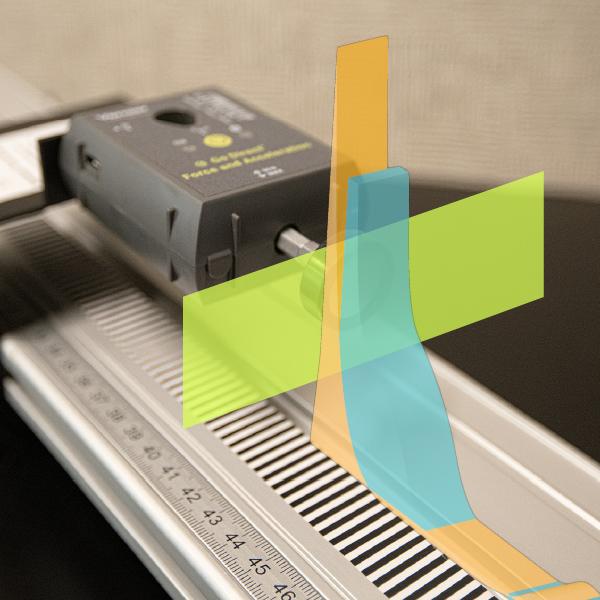
3. An Egg Drop Alternative: A Force to Reckon With
In this guest post, Vernier Trendsetter and physics teacher Eric Robinson shares an alternative to the classic egg drop, using the Go Direct Force and Acceleration Sensor to model crumple‑zone design in cars. Students test, iterate, and compare real collision data‑turning impulse and momentum into an engaging engineering challenge without breaking a single egg.
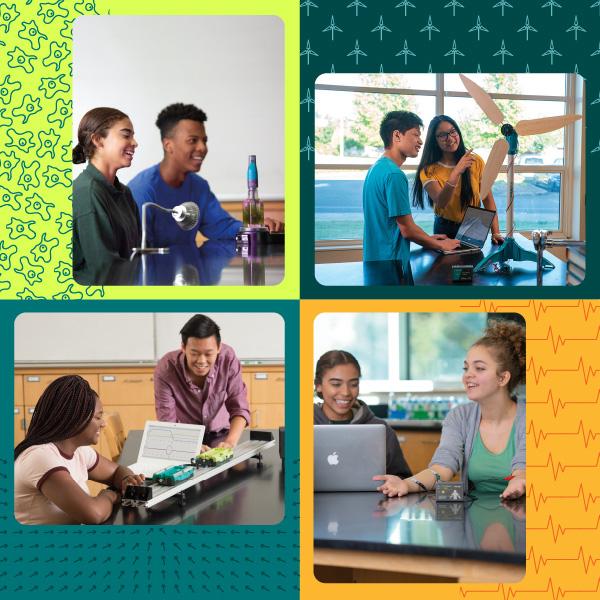
4. How Hands-On Learning Deepens STEM Engagement
Explore research‑backed insights into how hands‑on, data‑driven STEM learning boosts engagement, strengthens critical thinking, and supports diverse learners. Evidence from national studies and real classroom examples illustrates why probeware plays a pivotal role in three‑dimensional science instruction.
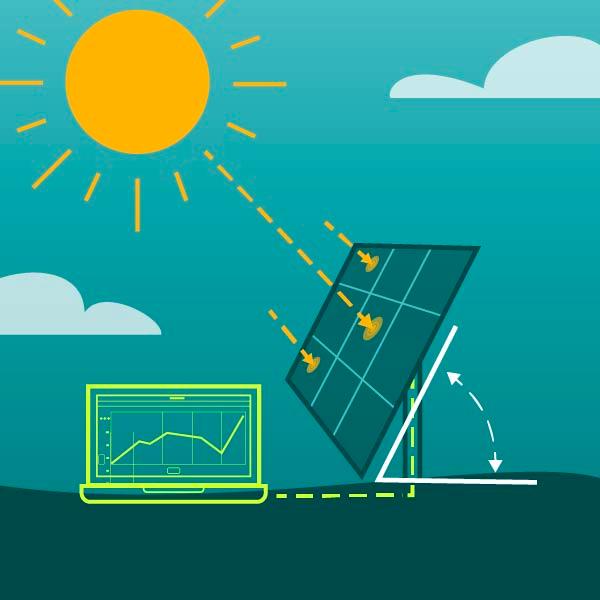
5. Investigating Solar Energy: Which Variables Optimize Power Output?
Explore how students use the Go Direct Energy Sensor and the Solar Energy Exploration Kit to test how angle, temperature, illumination, and other variables affect solar panel performance. This investigation blends real‑world data, engineering design, and systems thinking to help students understand and optimize renewable energy solutions.
Thank you for being part of our community of educators, innovators, and lifelong learners. Do you have a cool STEM project, a favorite lesson, or a success story from your school? We’d love to highlight it in the new year!
Reach out to us at blog@vernier.com, share with us on social, or call 888‑837‑6437.
Share this Article
Related Articles




Sign up for our newsletter
Stay in the loop! Beyond Measure delivers monthly updates on the latest news, ideas, and STEM resources from Vernier.