Sharing ideas and inspiration for engagement, inclusion, and excellence in STEM
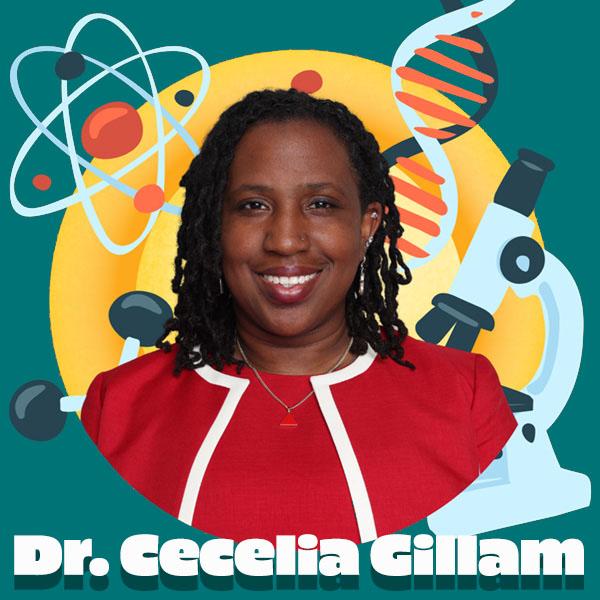
For Dr. Cecelia Gillam, teaching science has always been about more than content. It’s about access.
Dr. Gillam teaches AP Environmental Science and Honors Biology at Benjamin Franklin High School in New Orleans, one of the top-ranked high schools in Louisiana. She is committed to removing barriers that prevent underrepresented students from entering STEM fields, and her classroom is a place where all students are welcomed in, challenged, and given every opportunity to see themselves as scientists.
“When my students see science in action, they see themselves in science—and that’s what stays with them long after they leave my classroom.”
District Snapshot:
NOLA Public Schools
New Orleans, Louisiana
• Approximately 41,800 students
• 66 total schools, including 21 high schools
• Benjamin Franklin High School, a charter and magnet school in the district, was ranked #1 in Louisiana in U.S. News & World Report’s 2025 Best High Schools rankings.
That vision shapes everything about how Dr. Gillam teaches: the hands-on investigations she designs, the technology she puts in students’ hands, and the community experiences she builds around science. She believes these opportunities help students develop a love for science while building the confidence and skills needed for life after high school.
Hands-On Investigation as a Path to Confidence and Belonging
Research shows that disparities in access to high‑quality STEM learning opportunities often begin early and compound over time—particularly for students of color, girls, and those from low‑income communities. Visual, tactile, and relevant learning experiences are among the most effective ways to address these gaps.
Dr. Gillam, a member of the Vernier Trendsetters Community, designs her instruction with this in mind. Rather than relying on “cookbook labs” with predetermined steps and expected outcomes, she integrates Vernier data‑collection technology throughout her teaching to put real scientific questions in front of students and give them the tools to investigate them.
For example, using Go Direct® Optical Dissolved Oxygen Probes, Go Direct Temperature Probes, and Go Direct pH Sensors, students collect data at nearby Lake Pontchartrain, investigate eco‑columns, and study soil fertility—forming hypotheses, testing ideas, and drawing conclusions from their own data. The precision and reliability of Vernier technology means students spend less time troubleshooting and more time doing what matters: analyzing results, discussing findings, and thinking like scientists.
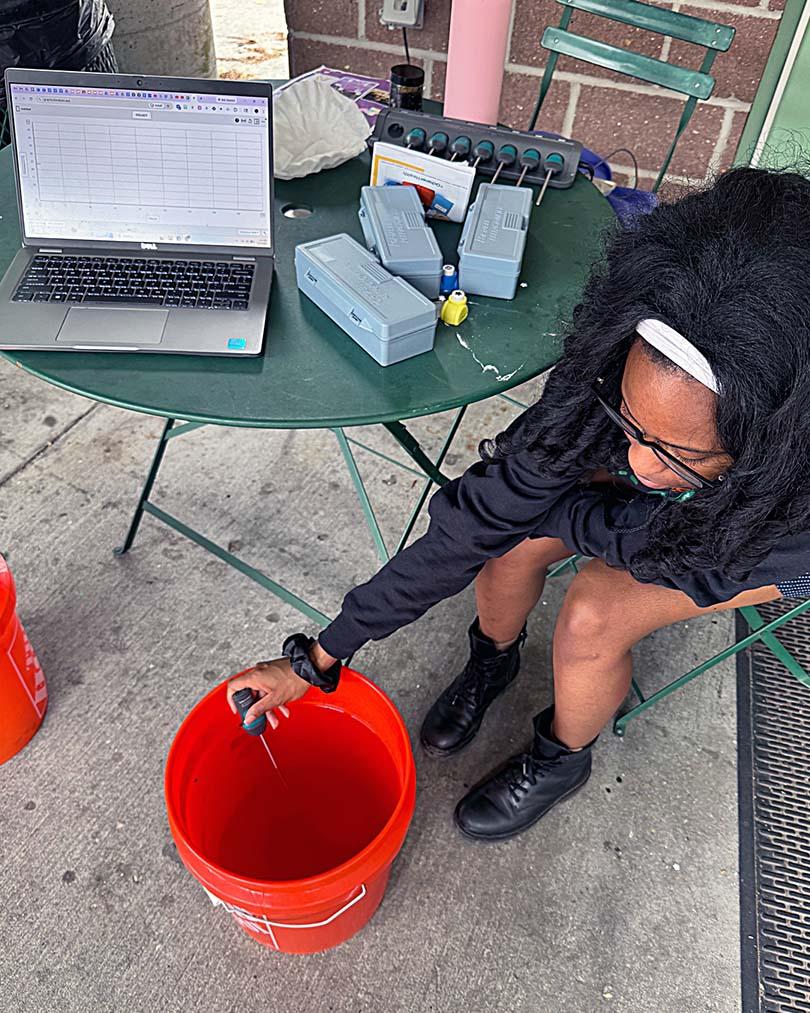
“Science is about asking questions, testing ideas, and learning from what the data shows,” said Dr. Gillam. “When students successfully conduct experiments, it changes how they see themselves and helps them realize what they are capable of.”
For students who arrive with limited lab experience, this kind of investigation is often transformative. Dr. Gillam guides them through data analysis—graphing, interpreting trends, understanding variables—building proficiency alongside confidence.
“During our hands-on investigations, students are working together, analyzing data, and learning how to draw meaningful conclusions. I always remind them that science is all about trial and error, and that failure isn’t a bad thing unless they stay down,” she said. “I always want to provide them with opportunities that strengthen their skills, boost their confidence, and prepare them for future STEM opportunities.”
Expanding STEM Access Beyond the Classroom
Dr. Gillam’s commitment to equity doesn’t stop at her classroom door. She sees students who have been given access to real science as some of its most powerful advocates.
“I want my students to always see themselves as scientists. I want them to act as environmental engineers and geneticists and envision themselves in future STEM careers,” she said. “Using technology and collecting and analyzing data like they do in the real world is a big part of this.”
That real-world connection is intentional. Vernier data-collection technology gives students experience with the same kinds of tools used in college labs and professional STEM environments—so when they get there, the work feels familiar, not foreign. And for Dr. Gillam, students who have had that experience are uniquely positioned to bring others along with them.
At Benjamin Franklin High School’s annual STEM Day, which Dr. Gillam helps coordinate, her students take on that role directly. Students from across the district are invited to attend, and Benjamin Franklin students lead interactive science and engineering stations—making slime, building terrariums, demonstrating Vernier probeware, and exploring the physics of tennis. Local partners, including Ochsner Medical Center, contribute stations of their own.
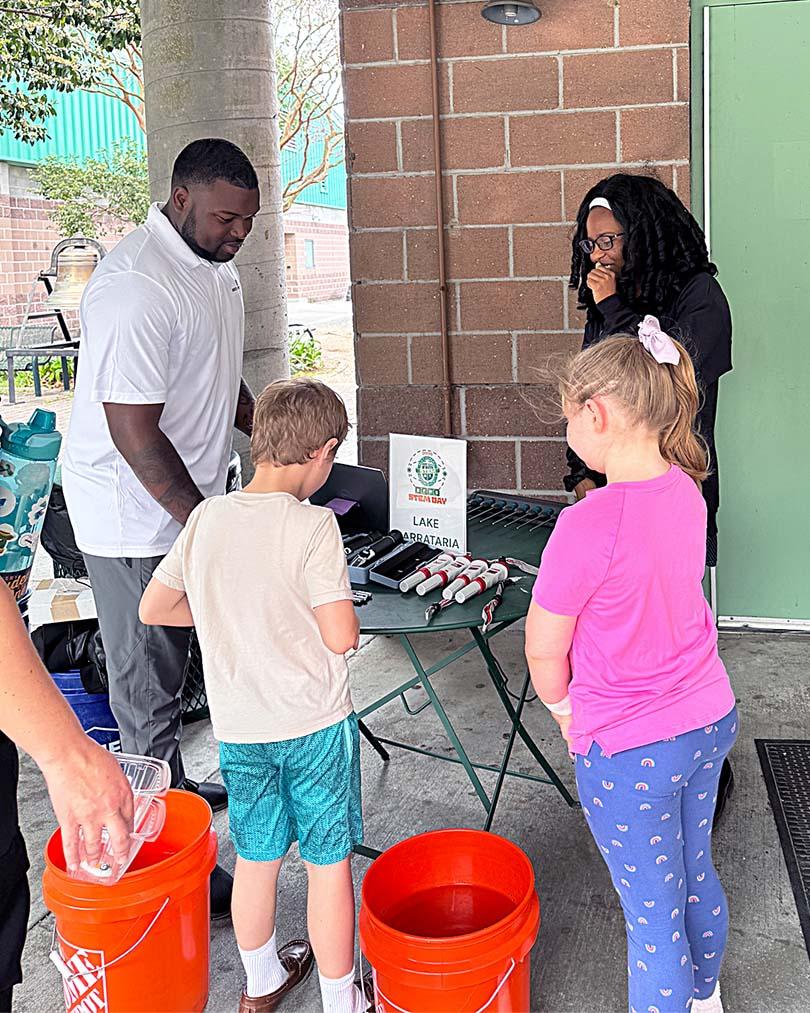
“Overall, STEM Day is just a really great event that highlights the STEM programming at our school and brings together local partners to provide more STEM exposure to students throughout our community,” said Dr. Gillam.
When schools invest in giving students meaningful, hands‑on science experiences, those students become ambassadors for science in their own communities.
Supporting Teacher Success and Creativity with Data-Collection Technology
Dr. Gillam is clear that none of this happens without institutional support. Access to the right tools, time to develop innovative lessons, and administrators who encourage teachers to take creative risks are all part of what makes this kind of instruction possible.
“It is important for teachers to have access to tools, training, and time to implement innovative, data-driven lessons and learning experiences for students,” she said. “Having administrators who support this, and who encourage us to be creative and try new things, goes such a long way.”
“Teachers are learners, too, and I never want to stop learning new ways to bring science to life for students and trying new things to help them succeed.”
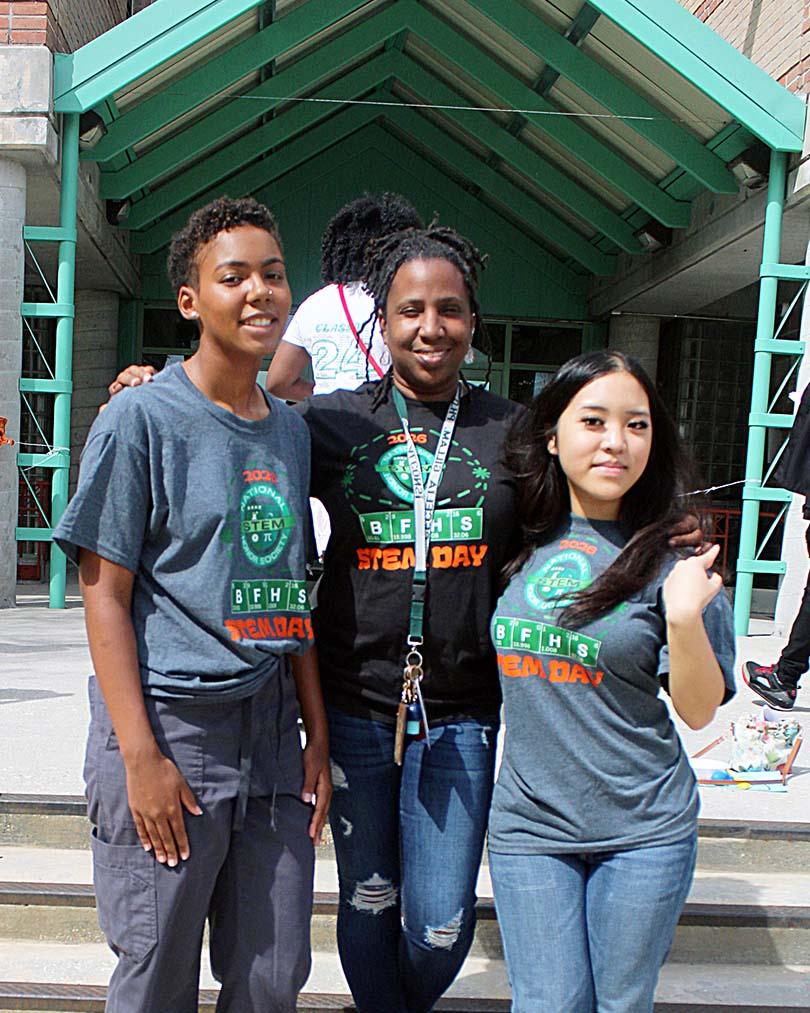
For schools and districts working to close STEM equity gaps, Dr. Gillam’s experience at Benjamin Franklin High School makes a compelling case: when students are given access to real data‑collection technology and the freedom to investigate real questions, something shifts. They stop seeing science as something that happens to other people and start seeing it as something they do.
“There is nothing better than when a student first comes to my class saying ‘I hate science’ and then leaves with a brand‑new joy and love for it.”
Ready to bring this kind of learning to your schools?
Vernier works alongside teachers and education leadership to find the right science technology solutions for your schools and classrooms—from equipment planning to implementation support. Learn more about our district solutions or reach out to k12outreach@vernier.com to start a conversation.
Share this Article
Related Articles
Sign up for our newsletter
Stay in the loop! Beyond Measure delivers monthly updates on the latest news, ideas, and STEM resources from Vernier.