
Posts filed under: Environmental Science

Shop

illustration of graphic clouds around a student using the Go Direct Air Quality sensor near the side of a road.
When I was teaching AP Environmental Science in Houston, Texas, one of my biggest frustrations was air quality. It's one of the most relevant, student-facing topics in the entire curriculum—my students lived in a city with real air quality issuesâ...

Continue Reading →
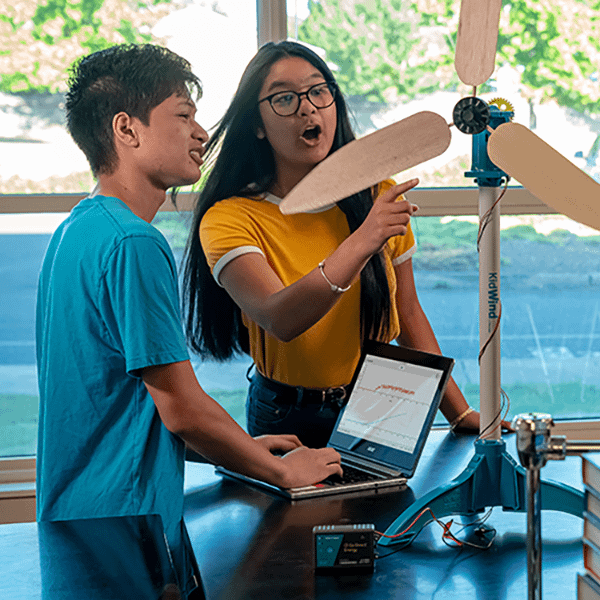
What if your students could build a wind turbine, optimize it through real investigation, and use it to pump water uphill—all while covering circuits, electromagnetism, energy transfer, and engineering design in one connected renewable energy...
Continue Reading →
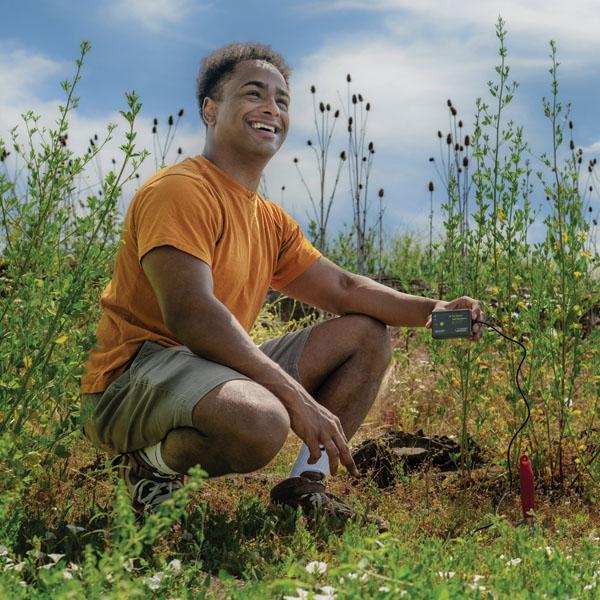
Agricultural science blends biology, chemistry, environmental science, and technology to help students understand how plants, soil, water, and environmental conditions affect agricultural outcomes. Whether students are learning in a high school agri...
Continue Reading →
High School students biology classroom cellular respiration with GDX-CO2 and GDX-O2
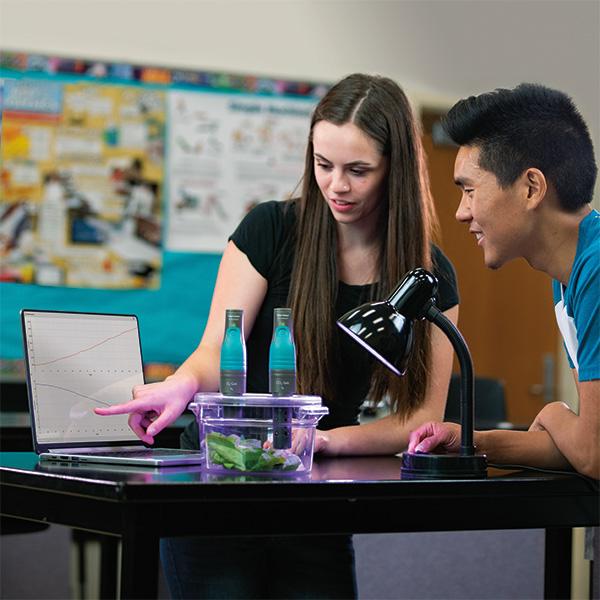
Photosynthesis and cellular respiration are essential concepts in any biology class, but because they’re abstract, they’re often tricky for students to grasp. As a former biology educator, I know how challenging it can be to help students move b...
Continue Reading →
In honor of Women in STEM Month, we spoke with three professionals who use data collection, research, and hands-on science to make an impact in their fields. From food science to environmental compliance, their work showcases the many ways STEM shap...
Continue Reading →
As the clean energy industry—especially wind power—grows rapidly, engineering,  environmental science, and CTE classrooms have an exciting opportunity to explore real-world science concepts that impact both our environment and society. Te...
Continue Reading →
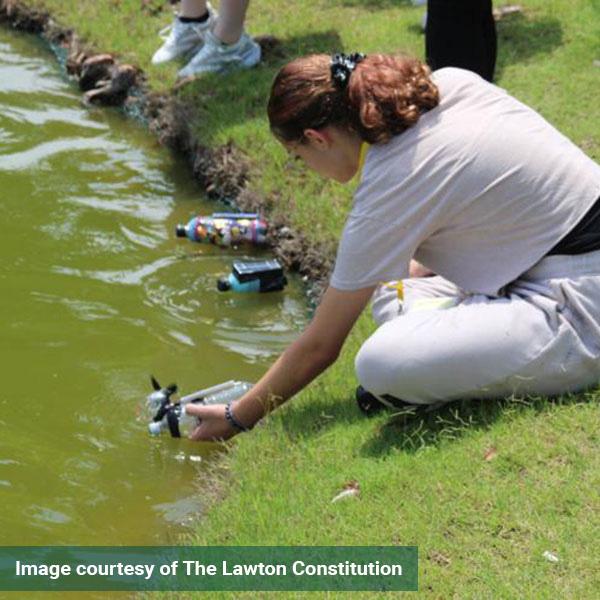
Dr. Ann Nalley, a chemistry professor at Cameron University in Oklahoma and former president of the American Chemical Society (ACS), has dedicated her career to empowering both students and teachers through hands-on science education. With more than...
Continue Reading →
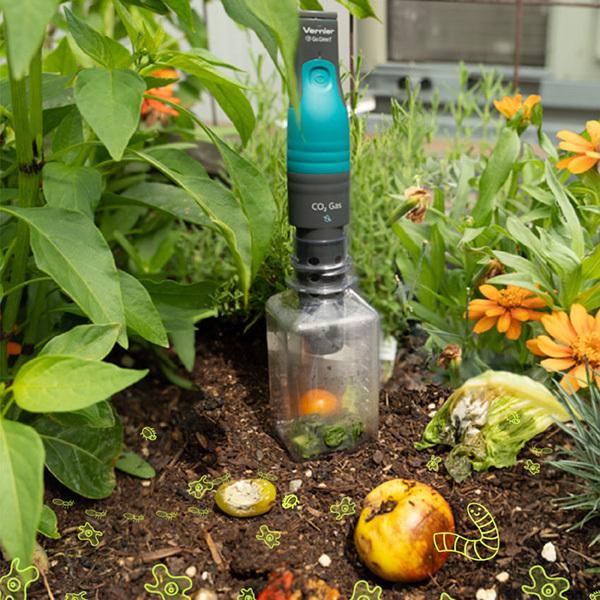
All species in an ecosystem, from critters on the forest floor to lions in the Serengeti, are directly or indirectly nourished by “dead stuff.” This organic matter, whether fallen leaves, rotting fruit, or decomposing organisms, is a crucial par...
Continue Reading →
SAVE/SHARE YOUR CART