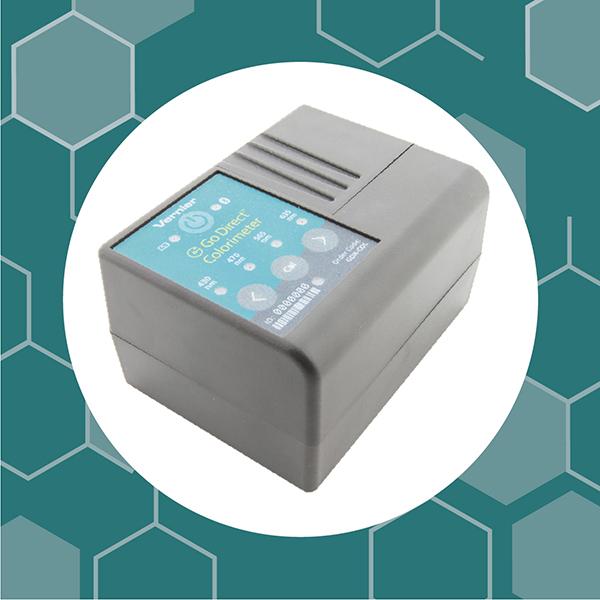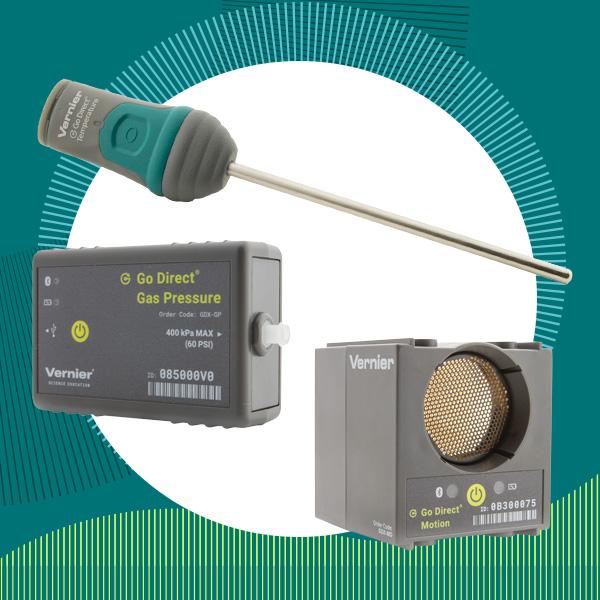
Answering questions like “How concentrated is this sample?” or “How fast is this reaction changing color?” involves more than simply observing a substance’s appearance. It requires students to measure and analyze the absorbance and transmi...
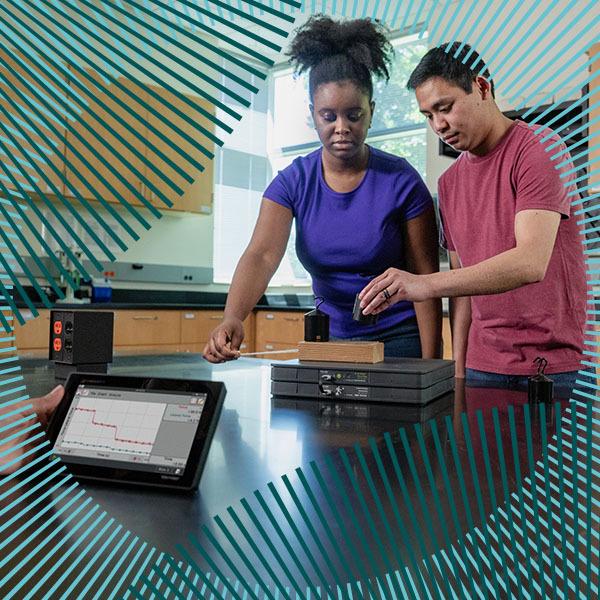
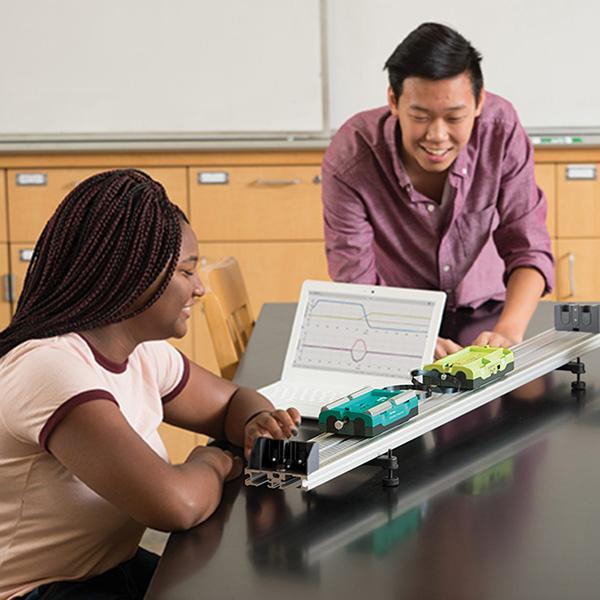
Whether it's a skateboard accelerating down a hill, a shopping cart rolling to a stop, or two bumper cars colliding, motion is constantly changing in response to forces. Students can observe these events every day, but collecting and analyzing real...
The first few weeks of school set the tone for the rest of the year. Before students dive into complex investigations, they need opportunities to practice the habits of scientists—asking questions, making predictions, collecting data, and in...
Jennifer Wimberley teaches 5th-grade science in Ector County Independent School District in Texas, where nearly 40 percent of her 95 students are emergent bilinguals. Jen DeKok chairs the science department at Blooming Prairie High School in Minneso...
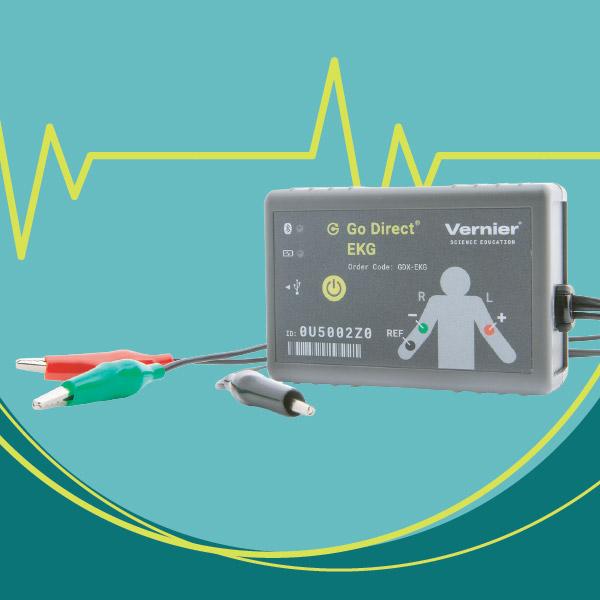
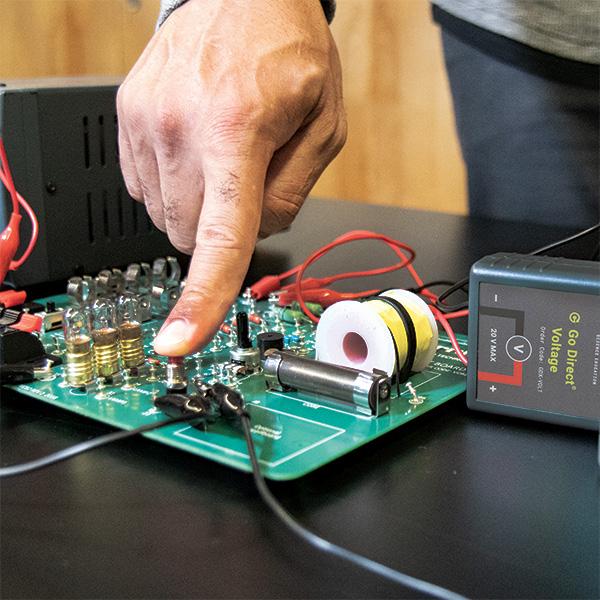
Understanding concepts like electric potential and energy transfer involves more than simply connecting wires and observing what happens in a circuit. To explain why a motor speeds up, a light dims, or a capacitor discharges, students must measure a...
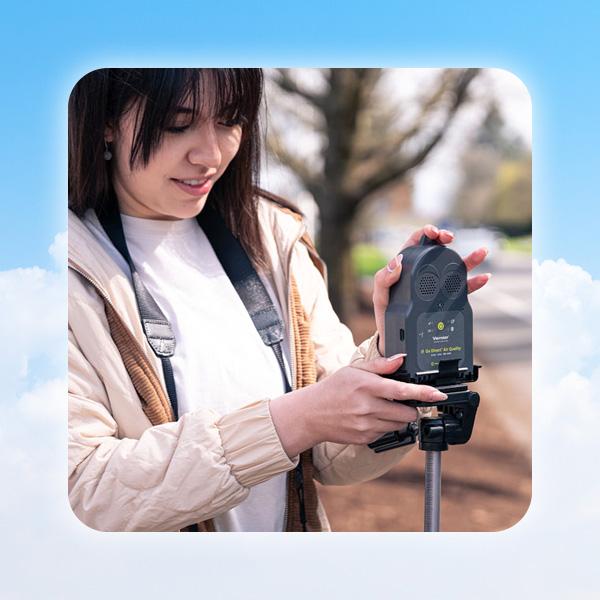
When I was teaching AP Environmental Science in Houston, Texas, one of my biggest frustrations was air quality. It's one of the most relevant, student-facing topics in the entire curriculum—my students lived in a city with real air quality issues...
Getting students genuinely curious about optics can be a challenge. But when they can point to the lens in their smartphone camera, the prescription in their glasses, or the aperture on a DSLR and say "I understand how that works"—that's when the ...
Three-dimensional learning is at the heart of the Next Generation Science Standards—but knowing the framework and implementing it consistently are two very different challenges. Vernier Connections® is designed to help bridge that gap. Handcrafte...
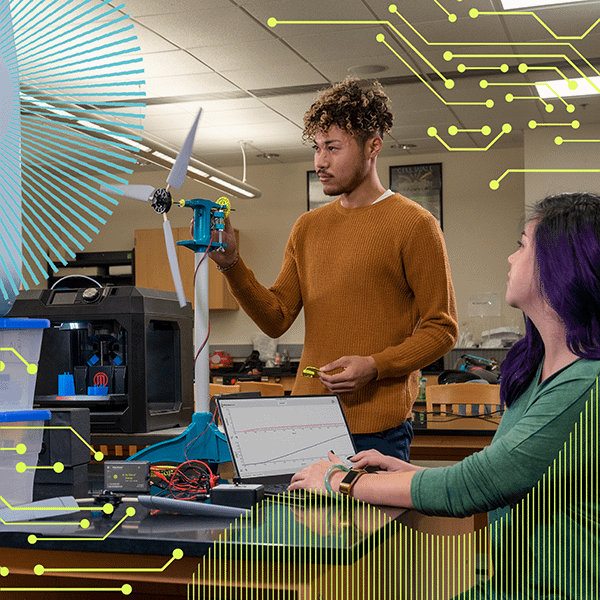
What if your students could build a wind turbine, optimize it through real investigation, and use it to pump water uphill—all while covering circuits, electromagnetism, energy transfer, and engineering design in one connected renewable energy...
I've been teaching science since 2000, and the question that's driven me from the start is a simple one: How do I make science learning feel real and relevant for my students? Early on, that meant writing grants in a rural school just to get basic e...