In biology, some of the most important processes happen at a scale humans can’t easily observe.
How do plants exchange gases as they grow? What happens when yeast ferments sugar to make bread rise? Investigating carbon dioxide (CO₂) can ...
At Barstow Community College in Barstow, California, Dr. Ashley Vizenor teaches chemistry and physical science to students pursuing a wide range of paths—from chemistry and biology majors to future nurses, allied health professionals, and e...
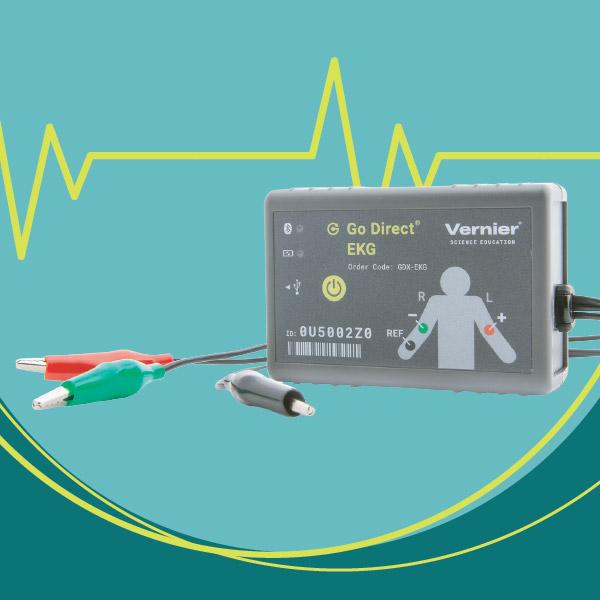
The human heart beats approximately 100,000 times a day, while our muscles contract every time we move. But what’s happening electrically inside the human body to make all of this possible? Electrocardiography (EKG) and electromyography (EMG)...
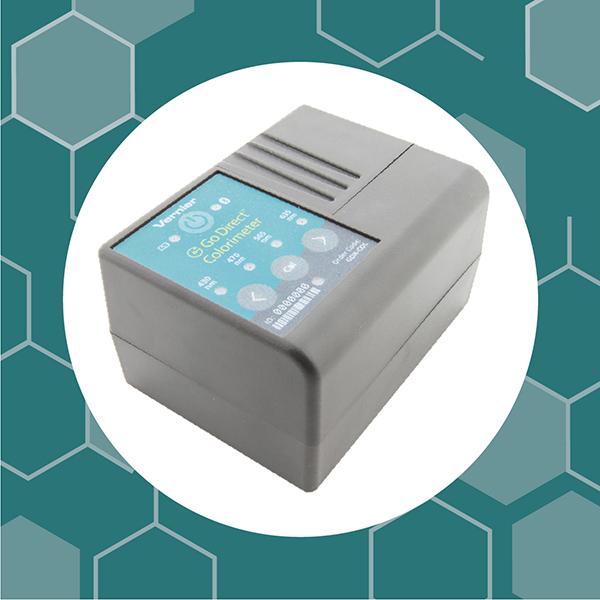
Answering questions like “How concentrated is this sample?” or “How fast is this reaction changing color?” involves more than simply observing a substance’s appearance. It requires students to measure and analyze the absorbance and transmi...
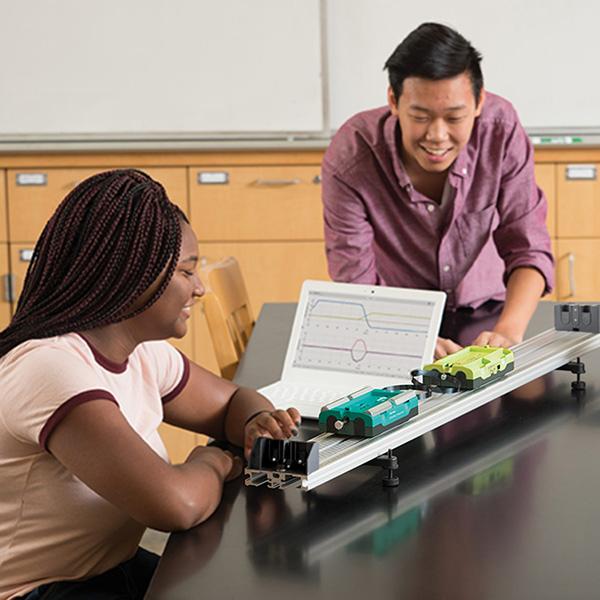
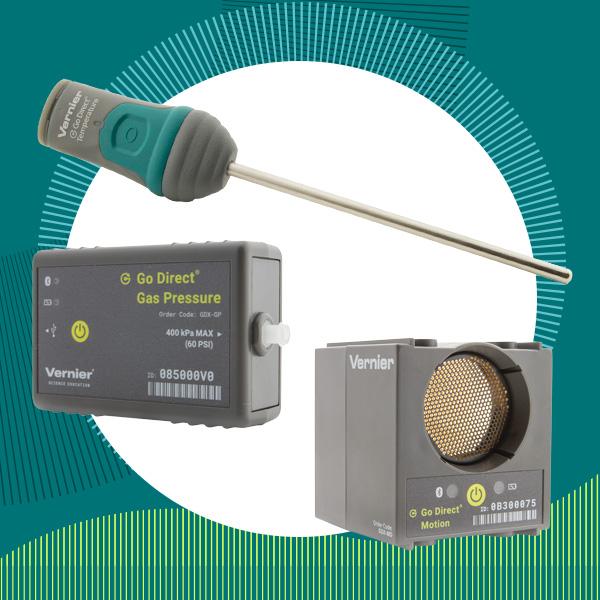
Whether it's a skateboard accelerating down a hill, a shopping cart rolling to a stop, or two bumper cars colliding, motion is constantly changing in response to forces. Students can observe these events every day, but collecting and analyzing realâ...
The first few weeks of school set the tone for the rest of the year. Before students dive into complex investigations, they need opportunities to practice the habits of scientists—asking questions, making predictions, collecting data, and in...
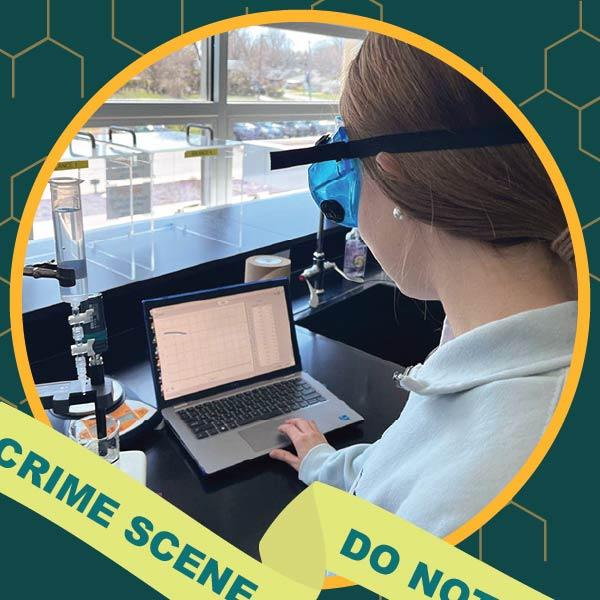
Whether students are fascinated by true crime podcasts, forensic television dramas, or simply enjoy solving a good mystery, forensic science offers a powerful way to connect chemistry concepts to real‑world investigations. During Vernier Science E...
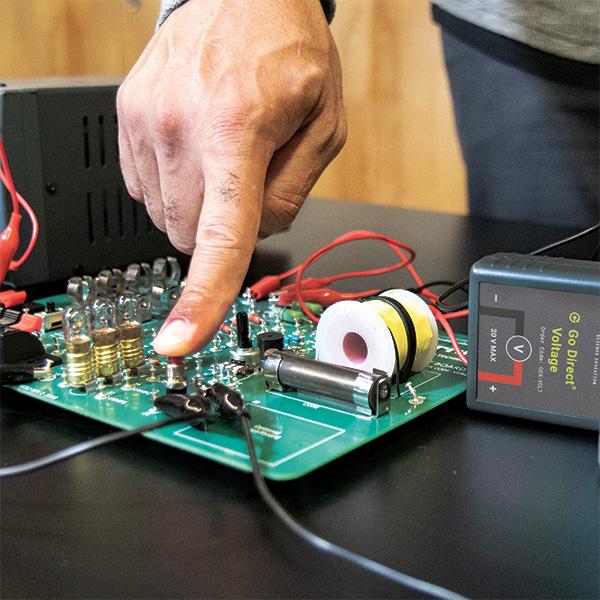
Understanding concepts like electric potential and energy transfer involves more than simply connecting wires and observing what happens in a circuit. To explain why a motor speeds up, a light dims, or a capacitor discharges, students must measure a...
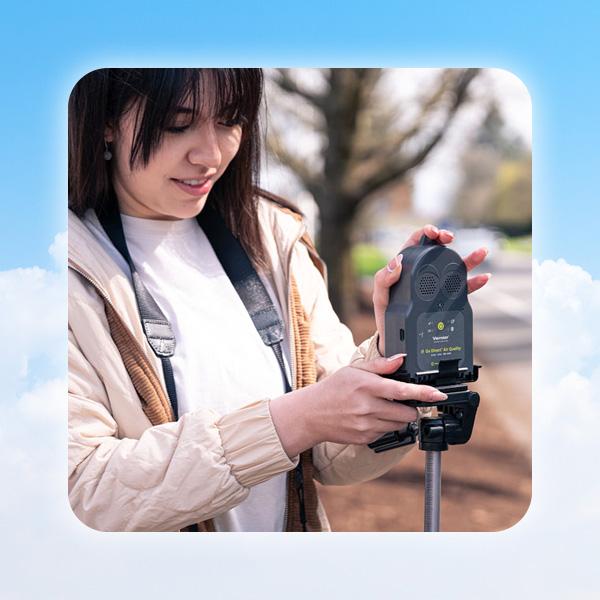
When I was teaching AP Environmental Science in Houston, Texas, one of my biggest frustrations was air quality. It's one of the most relevant, student-facing topics in the entire curriculum—my students lived in a city with real air quality issuesâ...
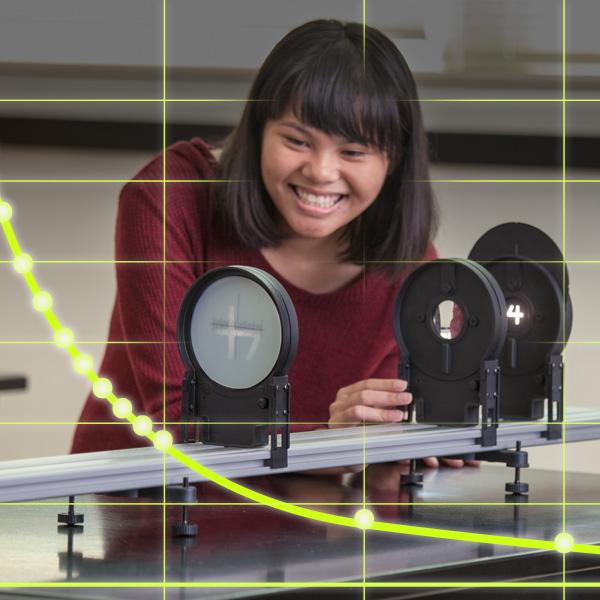
Getting students genuinely curious about optics can be a challenge. But when they can point to the lens in their smartphone camera, the prescription in their glasses, or the aperture on a DSLR and say "I understand how that works"—that's when the ...