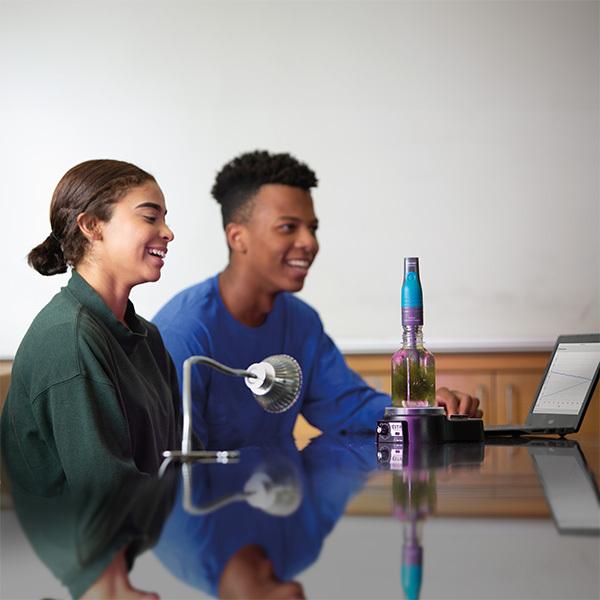
Whether studying CO2 changes during photosynthesis or investigating the conservation of momentum during a collision, students need to be able to do more than just plot points on a graph—they need to understand the story that a graph tells. O...
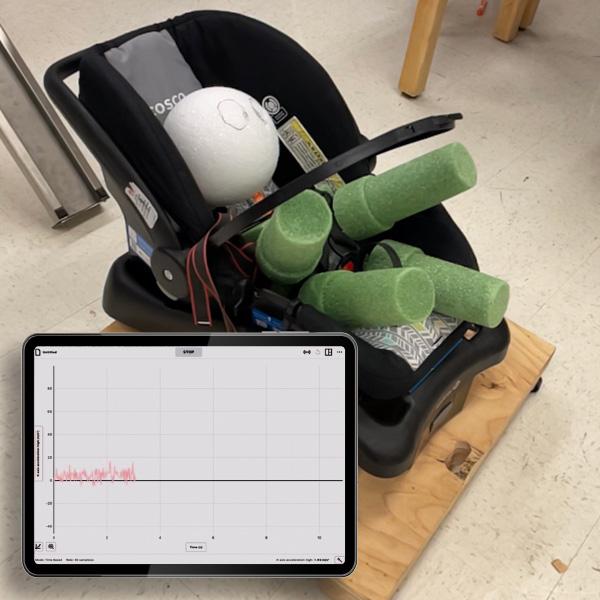
“What’s going on here?” our principal asks, eyebrows raised, as a foam baby in a car seat attached to a dolly races down a ramp, straight into a brick wall.
“Oh you know, Mr. Watkins shoved an acceleration sensor in the baby's head....
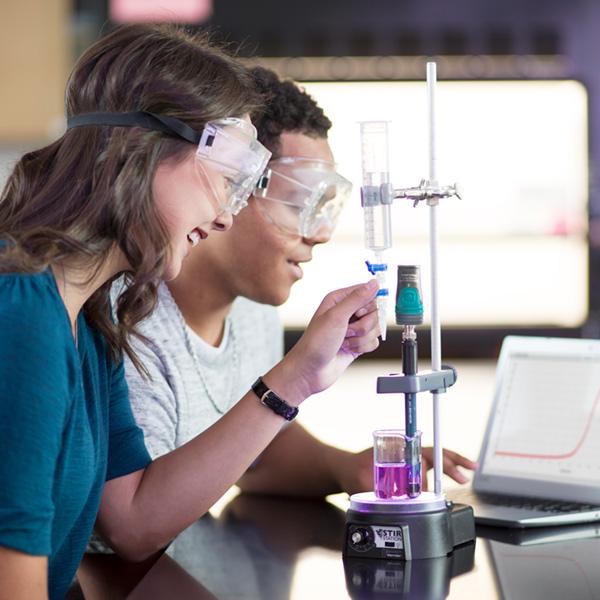
From testing household acids and bases to evaluating soil and water quality for agriculture, measuring and interpreting pH data is an essential skill across scientific disciplines and education levels. Our pH sensors all offer similar accuracy, resp...
When schools adopt new technologies, effective implementation is crucial for success. This is particularly true for technology that is adopted specifically as an effort to support or expand teaching aligned with new standards. Based on the finding...
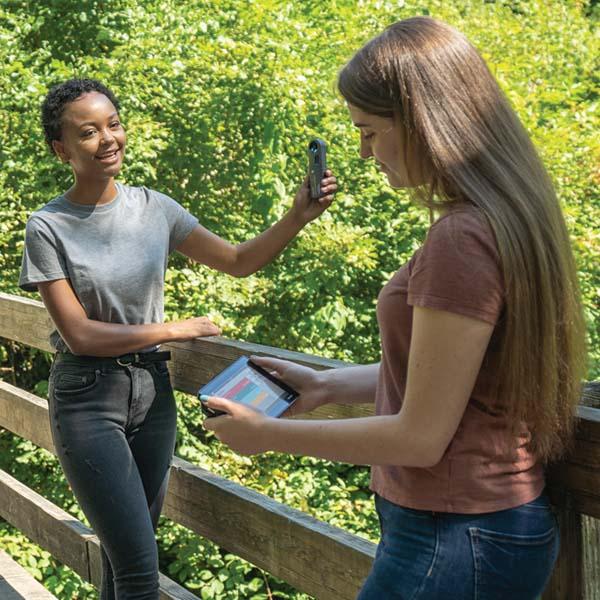
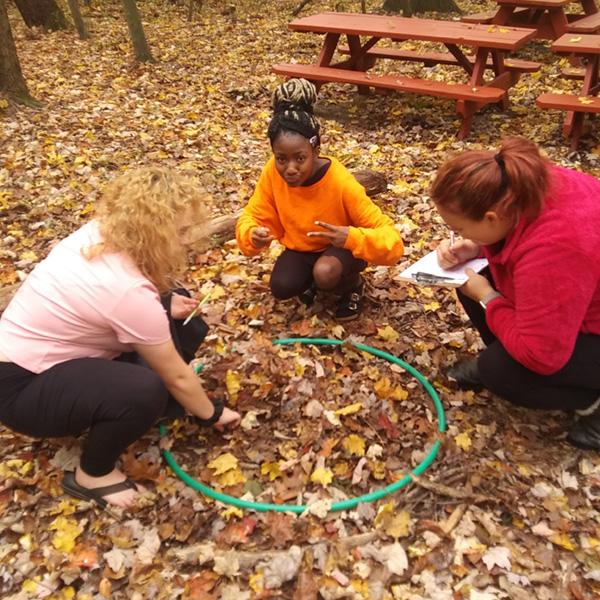
Looking for ideas to take learning outside this summer? Whether you’re involved in education through schools, museums, non-profits, or community programs, engaging learners of all ages in natural settings offers immense benefits, from K–12 throu...
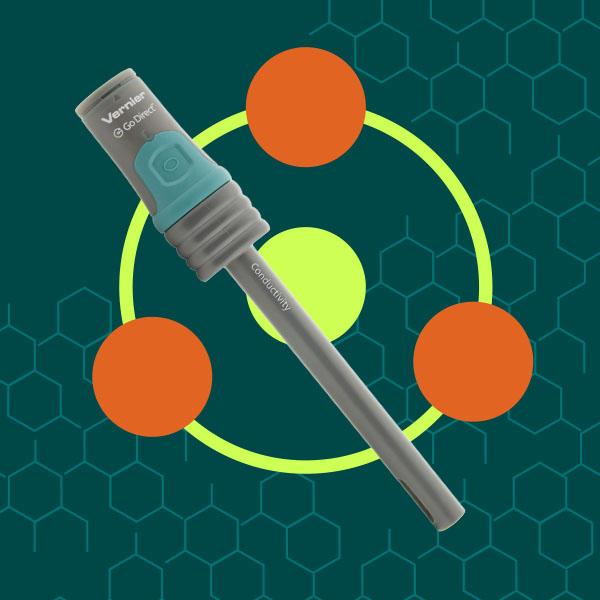
Students are often a little shocked to learn that water is actually a poor conductor of electricity. So, why the caution with electronics near water? This is because water can dissolve ionic compounds into individual ions that carry electric charges...
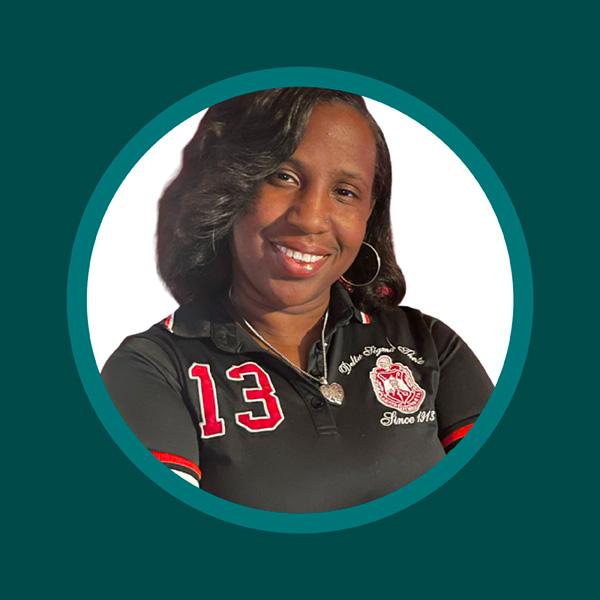
Vernier Science Education is proud to spotlight one of our Trendsetters, Cecelia Gillam! The Vernier Trendsetters Community offers educators a forum to enhance their teaching skills through the use of Vernier technology and to engage in meaningful c...
May is National Asian American and Pacific Islander Heritage Month, an excellent time to help your students learn about the pivotal contributions Asian Americans, Native Hawaiians, and Pacific Islanders have made to the STEM fields—and c...
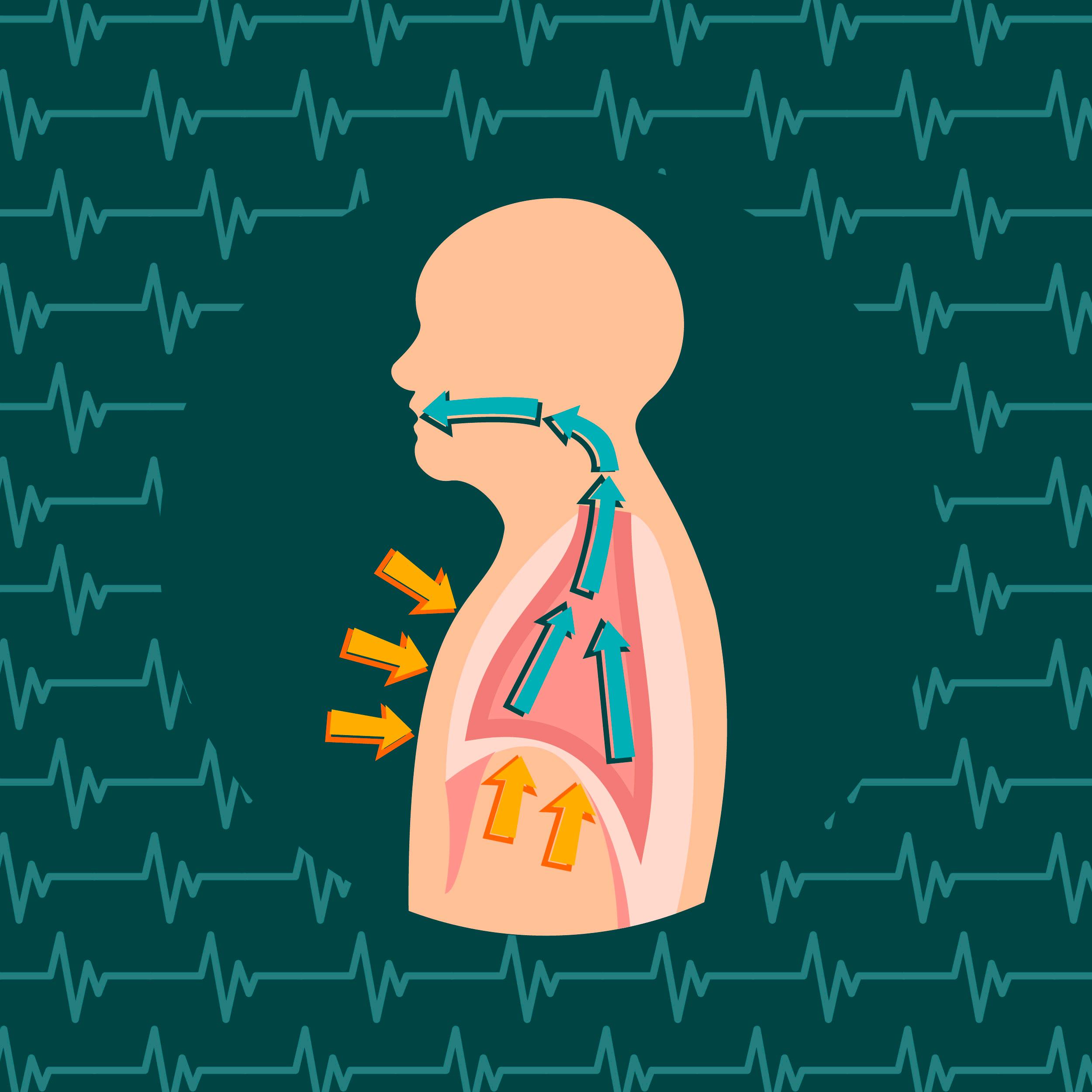
Understanding the respiratory system is a fundamental component of human physiology that provides students with critical insights into how their bodies function. For educators looking to support their human physiology lessons with technology, Vernie...
After 30 years of teaching science at East Palestine Schools in Ohio, Dr. Lisa Bircher is confident about one thing: students deserve to be involved in experiences that expand beyond the classroom. Whether that’s monitoring water quality in local ...