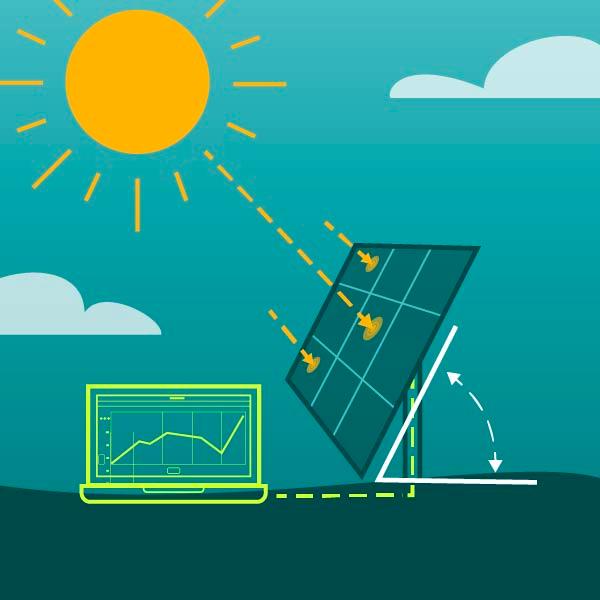
Every April, Earth Day offers a timely opportunity to explore how science and engineering intersect with the real world. This year’s theme, Our Power, Our Planet, invites students to consider the role of energy in shaping the future—and how we c...
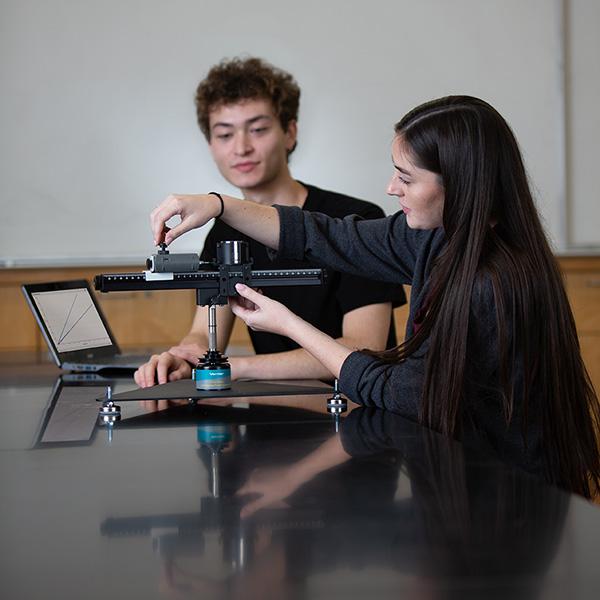
When I was teaching AP Physics C, I assumed rotational motion would be easy for my students. These were strong math and science learners—most of them were already in calculus. So I used to introduce rotational motion by saying, “You already know...
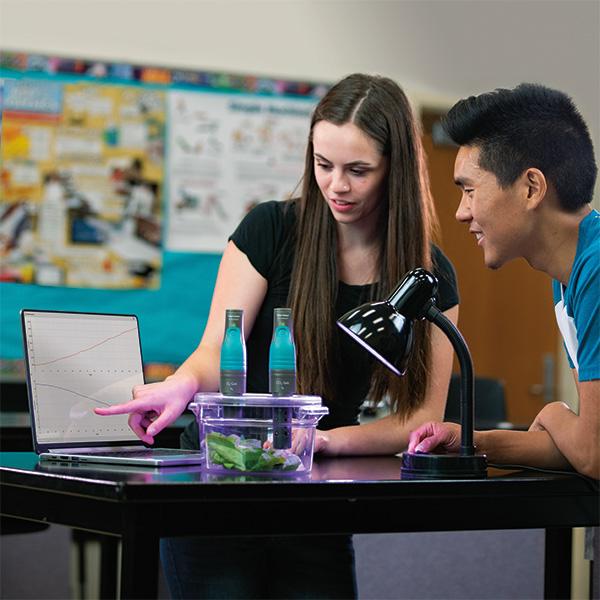
Photosynthesis and cellular respiration are essential concepts in any biology class, but because they’re abstract, they’re often tricky for students to grasp. As a former biology educator, I know how challenging it can be to help students move b...
Halloween is the perfect opportunity to make science a little more engaging—and a lot more memorable. With just a touch of creative framing, you can add a spooky, seasonal twist to these Vernier experiments across chemistry, biology, or physi...
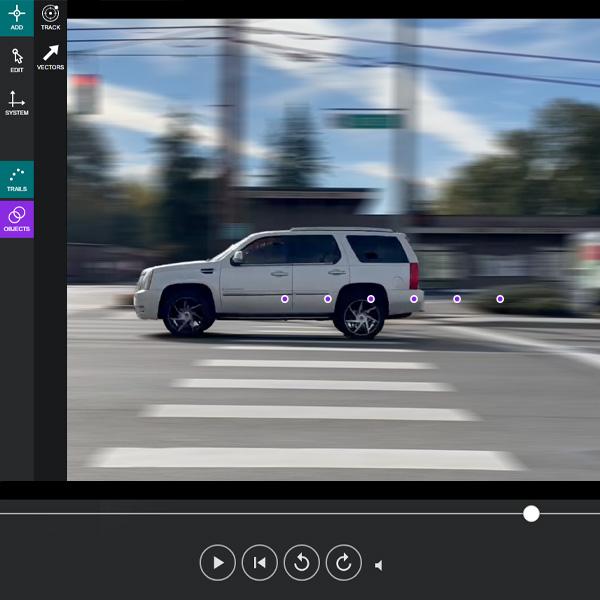
Every day, my students cross 112th Street outside our high school—a busy, four-lane corridor with a 40 mph speed limit that often feels more like 50. When I asked my class how they feel when they walk home or cross that road, most of them had...
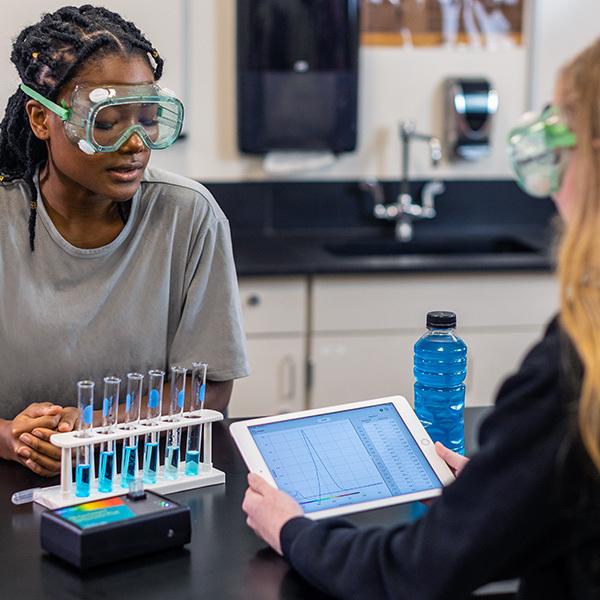
Beer’s law is a cornerstone of high school and introductory college chemistry—but it’s often taught with chemicals that require extra safety considerations and disposal planning. After teaching Beer’s law for decades using traditional compou...
Karen Van De Walle teaches agricultural science at Denver High School and Dunkerton High School in Iowa, where she uses CASE 4 Learning curriculum and Vernier technology to support hands‑on, inquiry‑driven instruction. A recipient of the 2025 CA...
Organic Chemistry
Help students develop the core skills and techniques of organic chemistry.
Our technology supports accurate data collection and clear analysis across key methods, including distillation, chromatography, polarime...
For more than two decades, Chris Henderson, a National Board Certified Teacher, has helped students understand how science connects to the world around them through hands‑on investigation, critical thinking, and collaborative problem‑solving c...
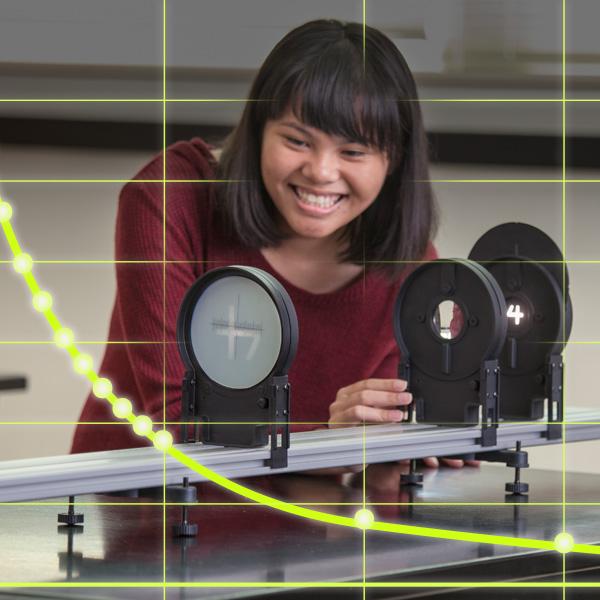
Getting students genuinely curious about optics can be a challenge. But when they can point to the lens in their smartphone camera, the prescription in their glasses, or the aperture on a DSLR and say "I understand how that works"—that's when the ...