
Sharing ideas and inspiration for engagement, inclusion, and excellence in STEM
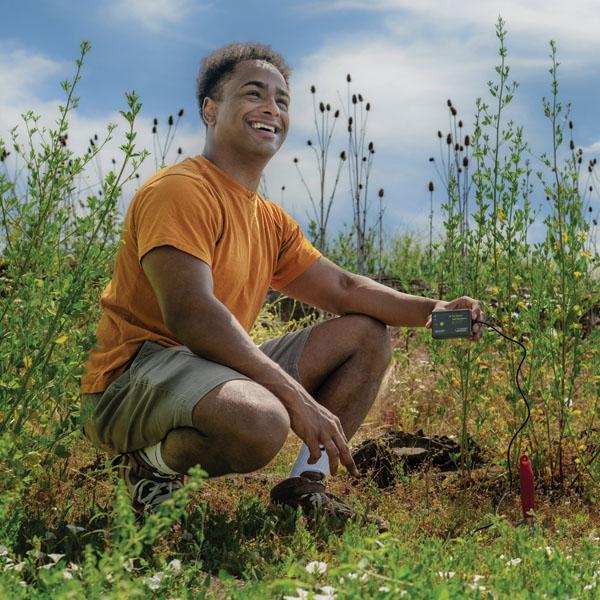
Agricultural science blends biology, chemistry, environmental science, and technology to help students understand how plants, soil, water, and environmental conditions affect agricultural outcomes. Whether students are learning in a high school agriculture class, a CTE program, or an introductory college course, hands-on data collection with Vernier sensors helps make those connections clear and meaningful.
In this post, we’re sharing the essential sensors used in agricultural science classrooms and the core investigations they support—across plant science, water quality, and soil science. Together, these examples show how sensor-based activities fit into a wide range of agriculture and agriscience courses.
Plant Science Investigations
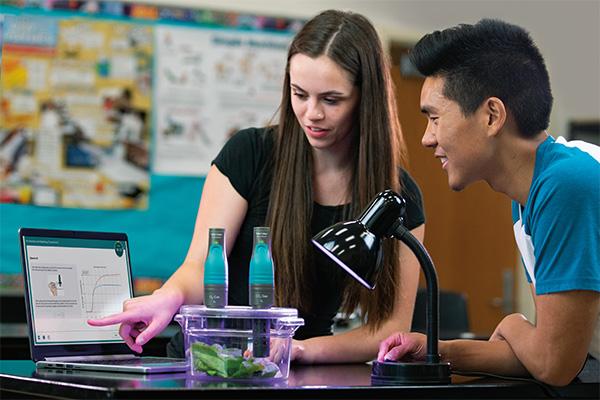
Plant science investigations help students explore how plants respond to light, water, and gas exchange. These activities support plant physiology and agriscience coursework and connect naturally to topics such as greenhouse management, crop productivity, and plant health.
Key Sensors for Plant Science
- Go Direct® CO₂ Gas Sensor – Measures carbon dioxide uptake and release during photosynthesis and respiration
- Go Direct O₂ Gas Sensor – Tracks oxygen production and consumption in living systems
- Go Direct Gas Pressure Sensor – Measures water movement through plants during transpiration
- Go Direct SpectroVis® Plus Spectrophotometer – Analyzes chlorophyll and other plant pigments by measuring light absorbance
- Go Direct PAR Sensor – Measures photosynthetically active radiation (PAR) for plant growth investigations
Core Investigation Areas
Photosynthesis and Cellular Respiration
Using fresh greens like spinach leaves, students measure changes in oxygen and carbon dioxide concentrations under light and dark conditions, making the often inscrutable process of photosynthesis more tangible and visible through data.
Water Transport in Plants (Transpiration)
Using a gas pressure sensor, students measure the rate of water movement through plant stems and investigate how environmental factors such as light, temperature, or airflow affect transpiration.
Plant Pigments and Light Absorption
Students extract chlorophyll and other pigments from plant material to analyze absorbance spectra using a spectrophotometer. By examining how different pigments absorb light, students explore how plants capture energy for photosynthesis—an important concept in crop productivity and plant health.
Light Intensity and Plant Growth
Students measure light levels in different environments—near windows, under grow lights, or inside greenhouses—and examine how distance and angle affect available energy for plants. By comparing light measurements with photosynthesis data, students connect light intensity to plant metabolism.
Water Quality Investigations
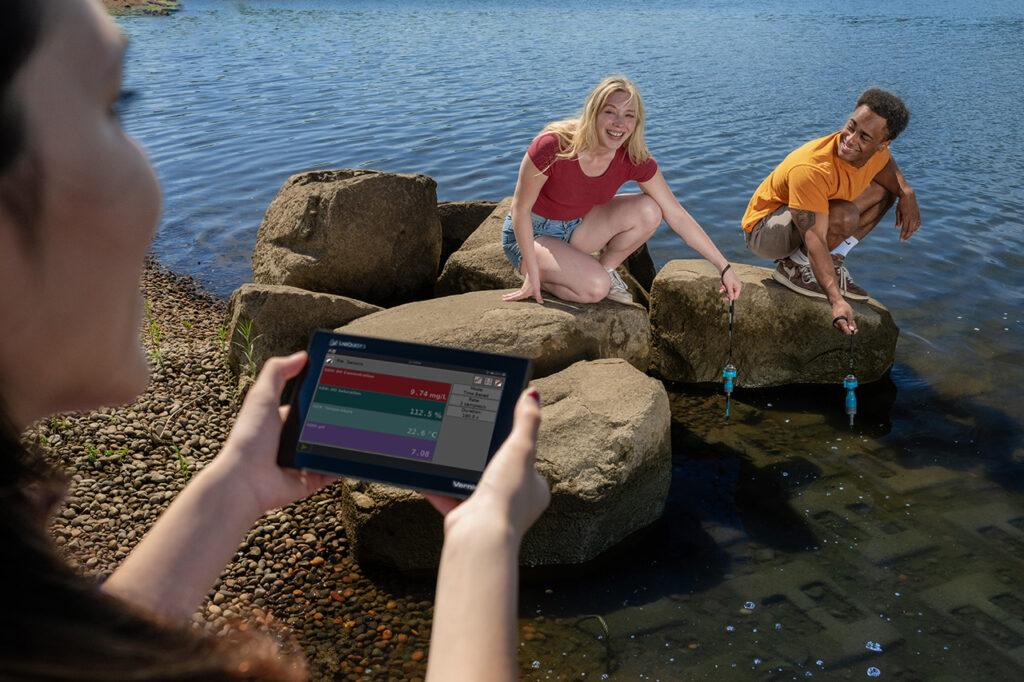
Water quality investigations help students understand how physical and chemical properties influence agricultural and environmental systems. These investigations fit well in agricultural science, environmental science, and ecology units—especially when discussing water resource management and environmental stewardship.
Key Sensors for Water Quality
- Go Direct pH Sensor or Go Direct Tris-Compatible Flat pH Sensor – Measures acidity in surface water, runoff, or hydroponic systems
- Go Direct Conductivity Probe – Measures conductivity or total dissolved solids (TDS)
- Go Direct Turbidity Sensor – Measures water clarity and suspended particles
- Go Direct Optical Dissolved Oxygen Probe – Measures oxygen levels in aquatic systems
Core Investigation Areas
pH and Conductivity of Water Samples
Students measure pH and conductivity to assess water quality in runoff, irrigation systems, or local waterways. These measurements support discussions about nutrient availability, pollution, and environmental impacts.
Dissolved Oxygen and Aquatic Systems
Using an optical dissolved oxygen sensor, students investigate how oxygen levels change with temperature, biological activity, or photosynthesis in aquatic environments. This investigation helps students connect dissolved oxygen data to ecosystem health and aquatic productivity.
Turbidity and Water Clarity
Students measure turbidity to examine how suspended particles affect water clarity and light penetration. By analyzing turbidity data, students make connections to erosion, sediment runoff, and watershed management.
Soil Science Investigations
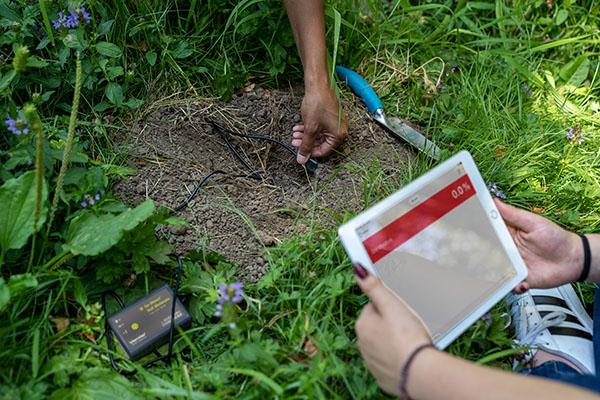
Soil investigations help students understand how physical, chemical, and biological factors influence plant growth and agricultural productivity. These investigations support soil science units in agricultural and environmental science courses and connect directly to real-world decisions around soil management, fertility, and sustainability.
Key Sensors for Soil Science
- Go Direct Soil Moisture Sensor – Measures volumetric water content of soil
- Go Direct Temperature Probe – Measures soil temperature at different depths
- Go Direct CO₂ Gas Sensor – Measures cellular respiration of soil organisms
- Go Direct pH Sensor or Go Direct Tris-Compatible Flat pH Sensor – Measures soil acidity using soil slurries
- Go Direct Conductivity Probe – Measures the conductivity of soil samples and slurries
Core Investigation Areas
Soil Moisture and Temperature
Students measure how soil moisture and temperature vary by depth, location, and environmental conditions, supporting discussions about irrigation, drought stress, and plant growth.
Soil Chemistry (pH and Salinity)
By creating soil slurries, students measure pH and use conductivity to determine soil salinity, exploring how soil chemistry affects nutrient availability. These investigations help students connect soil data to fertility management, crop performance, and sustainable soil practices.
Soil Respiration and Microbial Activity
Using a Go Direct CO₂ Gas Sensor, students measure carbon dioxide production from soil samples to investigate microbial activity and cellular respiration in soils. Students use this data to explore nutrient cycling and the role of soil organisms in agriculture.
Explore More Agricultural Science Investigations
Many of these investigations are available in Agricultural Science with Vernier, featuring ready‑to‑use activities focused on plant, soil, water, and environmental topics.
Watch Our On‑Demand Webinars
- Agricultural Science Essentials: Vernier Tools for Modern Ag Education
- Three Ways to Explore Photosynthesis and Respiration with Vernier
- Introduction to Water Quality Testing with Vernier
- The Dirt on Soil Science: Engaging Experiments with Go Direct Sensors
Learn more about how Vernier supports agricultural science education. Questions about our sensors? Reach out to support@vernier.com, call 888‑837‑6437, or drop a question in our live chat!
Share this Article
Related Articles





Sign up for our newsletter
Stay in the loop! Beyond Measure delivers monthly updates on the latest news, ideas, and STEM resources from Vernier.