
Sharing ideas and inspiration for engagement, inclusion, and excellence in STEM
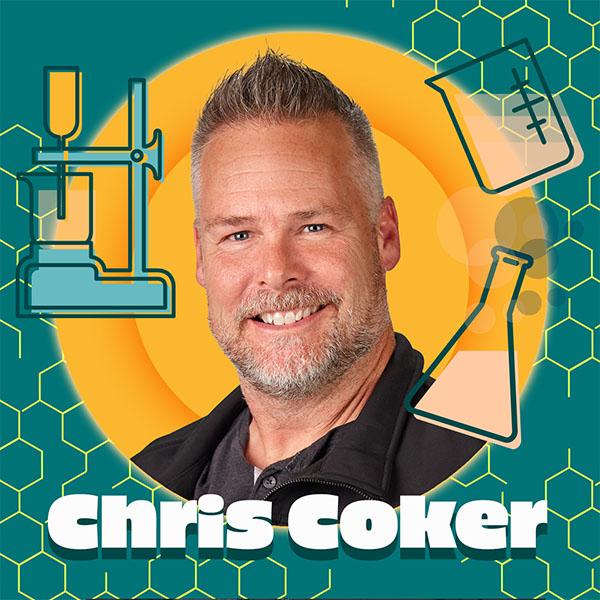
In Chris Coker’s classroom, student engagement is a top priority. Having spent more than 27 years teaching at Camden Fairview High School in Arkansas, he knows students will quickly tune out if they aren’t actively involved in the learning process.
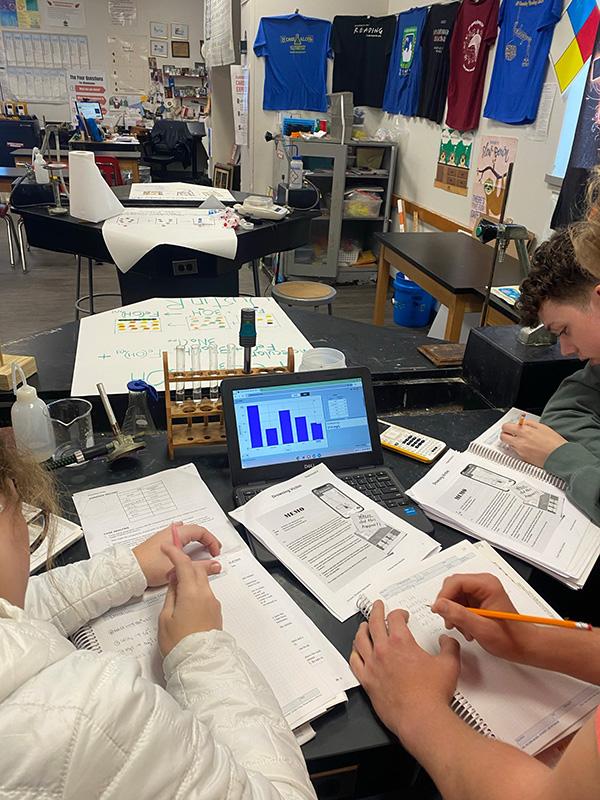
This is why he takes a hands-on, data-driven approach to teaching science in his chemistry, AP chemistry and AP Physics classes. By incorporating data-collection technology into his lessons, Coker gives students the opportunity to move beyond simply memorizing concepts and instead has them analyze and question what they are learning.
District Snapshot:
Camden Fairview School District
Camden, Arkansas
• PreK–12 school district serving approximately 2,000 students across 5 school sites
• 100% of students qualify for free and reduced lunch
“When students can apply what they are learning and give it meaning in a real-world context, they become more engaged,” said Coker. “And this is when everything starts to come together for them.”
Increasing Student Engagement and Making Cross‑Curricular Connections with Data
Coker, who also serves as a science facilitator in the district and is a member of the Vernier Trendsetters Community, utilizes a variety of Vernier technology—including the Go Direct® Force and Acceleration Sensor, Go Direct pH Sensor, Go Direct Gas Pressure Sensor, Go Direct Sensor Carts, and Go Direct Motion Detectors—to help students actively gather real-time data, visualize relationships, and connect concepts across math and science.
“I started using Vernier almost 20 years ago, back with calculator-based labs, and have used their technology ever since,” said Coker. “I’m always looking for new ways to use the technology to engage and teach my students.”
One of his most impactful data-collection investigations introduces students to the relationship between Fahrenheit and Celsius. Students use Go Direct Temperature Probes, which Coker describes as the “lord of the probes,” to collect the temperature of various water samples—ice water, room temperature water, and warm water—then graph the results to reveal linear relationships.
“They already know y = mx + b from math,” said Coker. “When they see that relationship show up in their own data, the formula suddenly makes a lot more sense.”
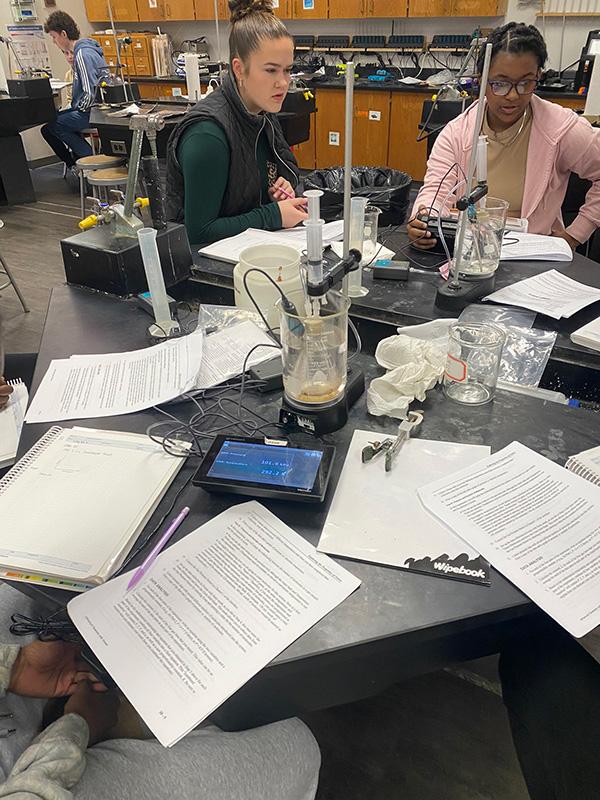
It’s a small moment with a big payoff—students stop seeing math and science as separate subjects and start seeing them as tools for making sense of the same world. And because the data is their own, they’re invested in understanding it.
“You’ve got to give students something they can touch and interact with, and the opportunity to make real connections,” Coker added. “Students are invested in understanding data when they are the ones collecting it.”
Preparing Students for College, STEM Careers, and Beyond
Coker sees data collection as essential preparation, not just for STEM careers, but to help students become informed citizens and critical thinkers. When students work with real data, they build the analytical skills to interpret graphs, evaluate claims, and make informed decisions in any context, whether they are completing a standardized assessment or making everyday decisions.
“When students collect and analyze data that they don’t already know the outcome of, they build that cognitive ability to interpret graphs and information,” said Coker. “Then later, you can give them any graph, and they can pull from their experience and figure out what it means.”
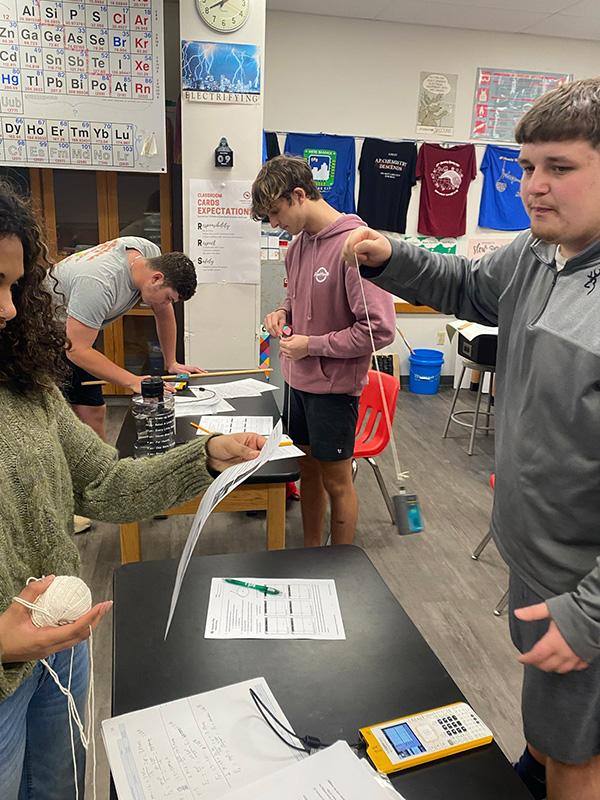
The use of hands-on, data-collection technology has been especially pivotal in preparing students for future careers. Many of Coker’s former students have graduated college and gone on to careers in engineering, healthcare, and other STEM-related fields, including, memorably, a local brewmaster. That early exposure to the tools and analytical approaches gave them confidence in their ability to solve problems and make sense of complex information in college labs and in technical careers.
“My former students tell me they felt ahead of the curve in college,” he said. “They already knew how to work with data and think through problems.”
Even for students who choose non-STEM paths, these skills are essential.
“They may not realize it now, but they’ll use this somewhere,” Coker said. “Being able to analyze information and make informed decisions applies to everything.”
How Administrative Support Helps Make Data Collection Possible
Access to reliable data-collection technology has enhanced teaching and learning at Camden Fairview High School where 100% of students qualify for free and reduced lunch. Coker credits strong support from his principal and administrative team for helping to bring these tools into the classroom, as well as for recognizing the value in providing teachers with ongoing training opportunities.
“I’ve been very fortunate to have administrators who understand how data collection and the use of technology benefit students, especially those who might be struggling, and help us acquire the technology we need,” Coker said.
“For educators who might not have as much access to the technology, I always recommend applying for grants, getting involved in loaner programs, or looking into co-ops,” he added. “These are great places to start.”
Today, in his role as a district science facilitator, Coker works with teachers across grade levels to introduce data collection, build confidence in effectively using data-collection technology, and provide training for ongoing success. And he’s making the case for math teachers to incorporate data-collection technology more for teaching concepts like slope and derivatives.
“Sometimes teachers just need to see what’s possible with data-collection technology,” Coker said. “I always tell them if I can do it, so can they. And, once they do, they realize it can make such a big difference in their teaching.”
Ready to bring this kind of learning to your schools?
Vernier works alongside teachers and education leadership to find the right science technology solutions for your schools and classrooms—from equipment planning to implementation support. Learn more about our district solutions or reach out to k12outreach@vernier.com to start a conversation.
Share this Article
Related Articles

Sign up for our newsletter
Stay in the loop! Beyond Measure delivers monthly updates on the latest news, ideas, and STEM resources from Vernier.