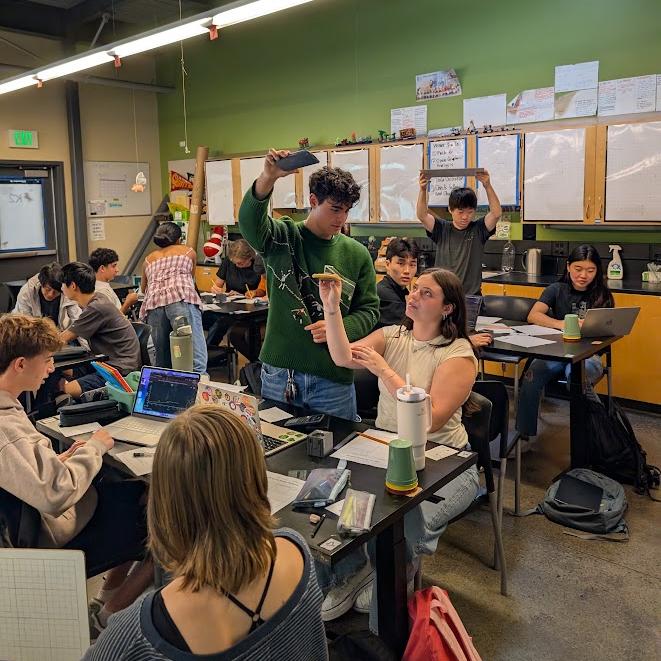
At Scottsdale Unified School District in Arizona, helping students think critically is embedded in the district’s mission to inspire, motivate, and empower all learners. For physics and astrophysics teacher Steve Millam at Chaparral High School ...
I've been teaching science since 2000, and the question that's driven me from the start is a simple one: How do I make science learning feel real and relevant for my students? Early on, that meant writing grants in a rural school just to get basic e...
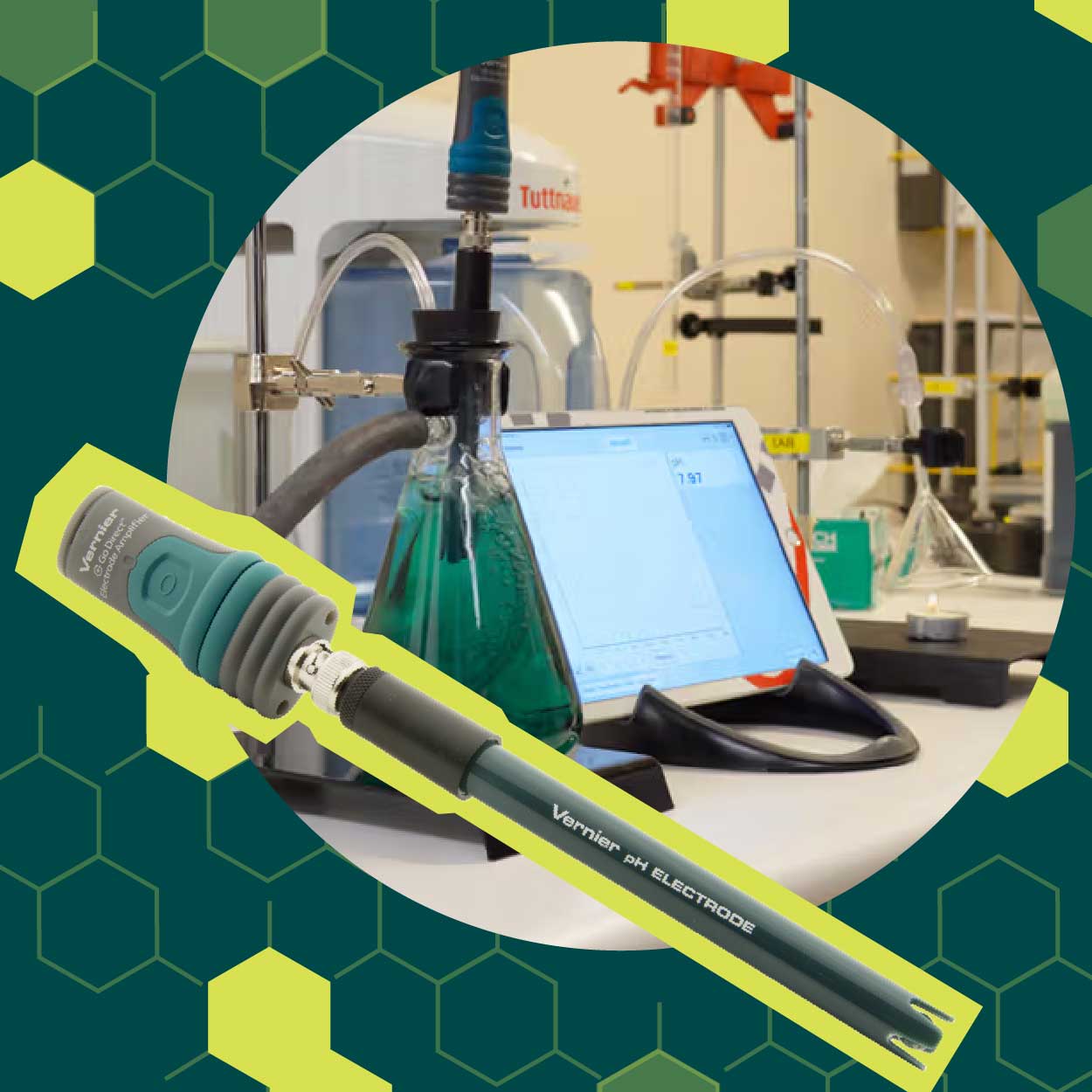
If you've taught equilibrium in AP Chemistry or college general chemistry, you know the classic setup: add an acid to an indicator, watch it change color, add a base, watch it change back. This setup illustrates Le Chatelier's principle just fine...
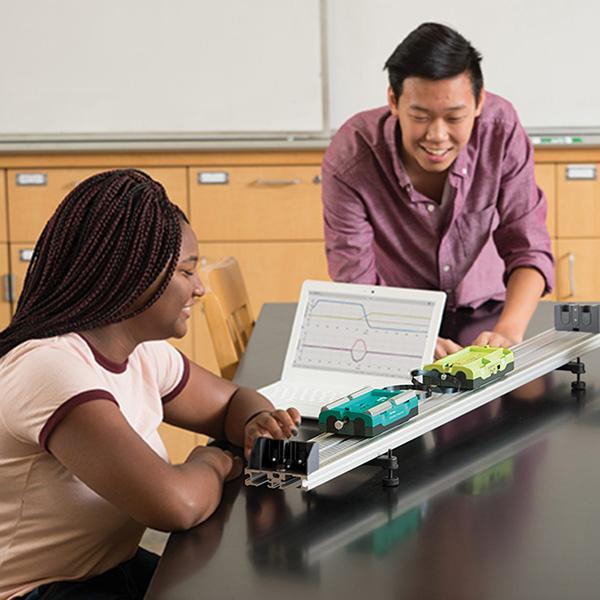
Students observe motion constantly—objects falling, rolling, colliding—but making sense of why that motion looks the way it does can be challenging. Why does a dropped phone fall straight down, while a ball launched from a table foll...
Karen Van De Walle teaches agricultural science at Denver High School and Dunkerton High School in Iowa, where she uses CASE 4 Learning curriculum and Vernier technology to support hands‑on, inquiry‑driven instruction. A recipient of the 2025 CA...
Mary-Elizabeth Foote teaches agricultural science at Schuylerville High School in upstate New York, where she uses CASE 4 Learning curriculum and Vernier technology to support hands‑on, inquiry‑driven learning. Now in her ninth year in the cla...
Black History Month offers a powerful opportunity to celebrate historical milestones as well as highlight Black scientists and engineers who are shaping the world right now. From vaccine development and climate justice to clean energy and cancer res...
At Odessa High School in Ector County ISD in Texas, physics teacher and science department chair Rebecca Orcutt has been an early adopter of Vernier Connections®—using the platform both in her own classroom and across her department.
Desi...
Beer’s law is a cornerstone of high school and introductory college chemistry—but it’s often taught with chemicals that require extra safety considerations and disposal planning. After teaching Beer’s law for decades using traditional compou...
Agricultural science blends biology, chemistry, environmental science, and technology to help students understand how plants, soil, water, and environmental conditions affect agricultural outcomes. Whether students are learning in a high school agri...