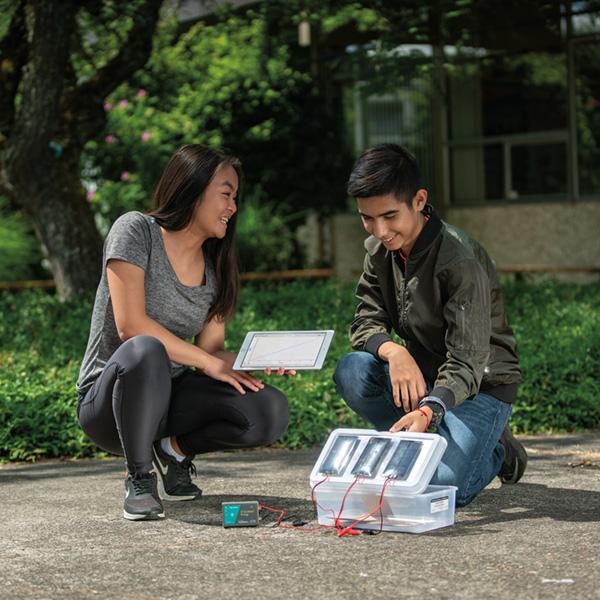
Looking for a way to explore solar energy in your class—and promote hands-on science learning at the same time? KidWind, our line of renewable energy products, includes solar panels appropriate for teaching students from K–12 to college.
...
Proper storage over the summer is key to extending the useful life of your laboratory’s sensors. Before you enjoy your well-deserved summer break, it’s a great idea to take stock of your Vernier probeware and make sure it’s correctly stored fo...
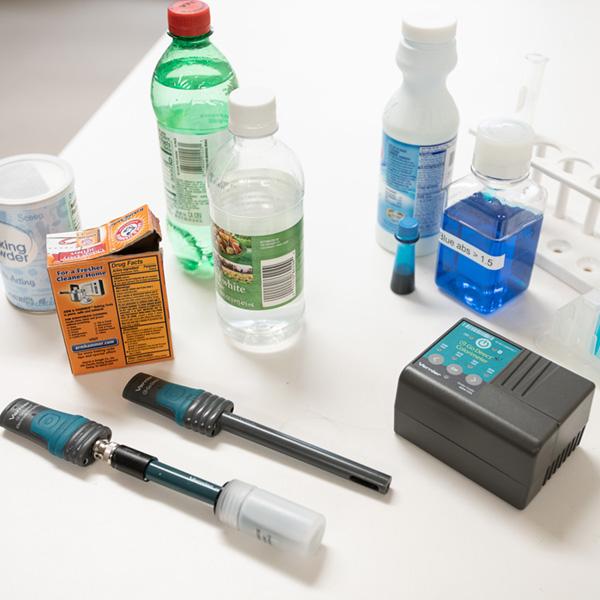
It can be challenging for students to wrap their minds around key chemistry concepts, such as pH, Beer’s law, and gas conversions. You can help demystify these abstract scientific ideas with hands-on learning that incorporates common household ite...
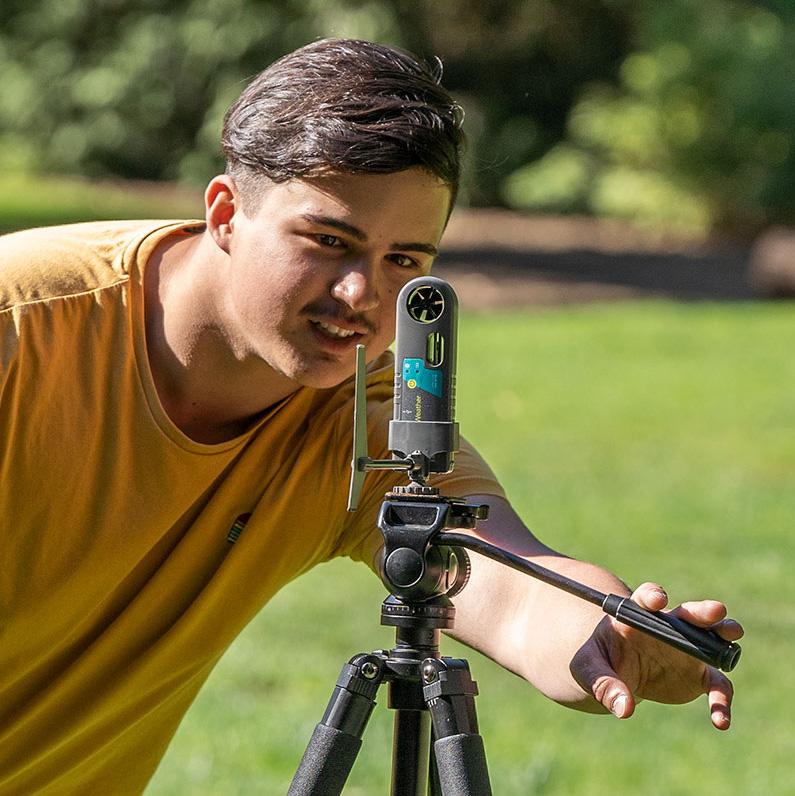
Want a way to easily monitor a variety of environmental factors with just one sensor? The Go Direct Weather System gives students the tools to measure ambient temperature, humidity, wind chill, dew point, barometric pressure, and more.
A great to...
Climate change is a complex, long-term process, so it can be challenging to conduct classroom experiments that show the phenomenon.
However, it is relatively easy to conduct experiments that show the concepts behind factors related to climate cha...
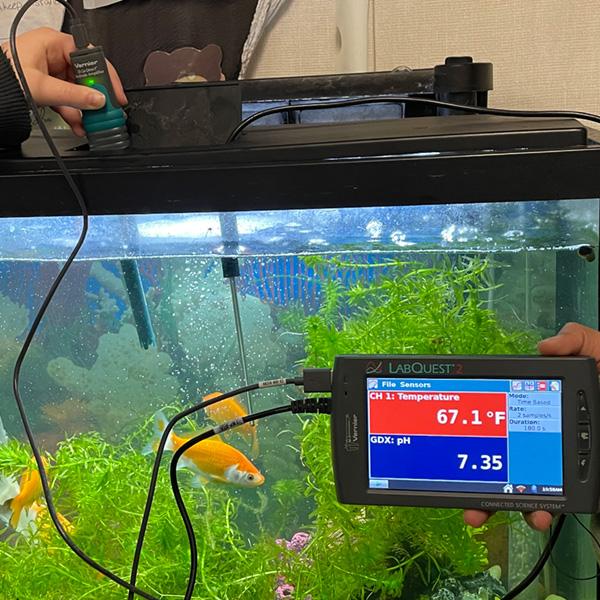
In middle school science classes, data-collection technology is a great tool for promoting hands-on learning. This school year, Jeff Branchaud and his students are using an additional tool: a 55-gallon classroom aquarium.
Branchaud, who tea...
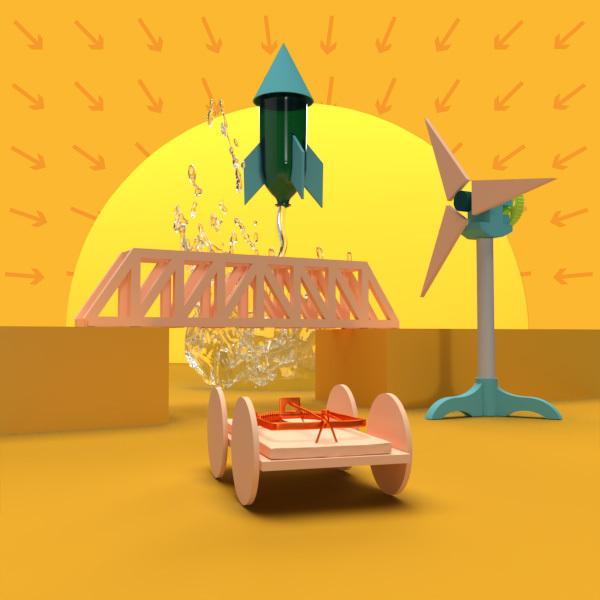
All students benefit when they can apply physics principles and concepts by building something. Having that real-world connection can help make physics easier to understand. As an added bonus, it can also increase student engagement.
During...
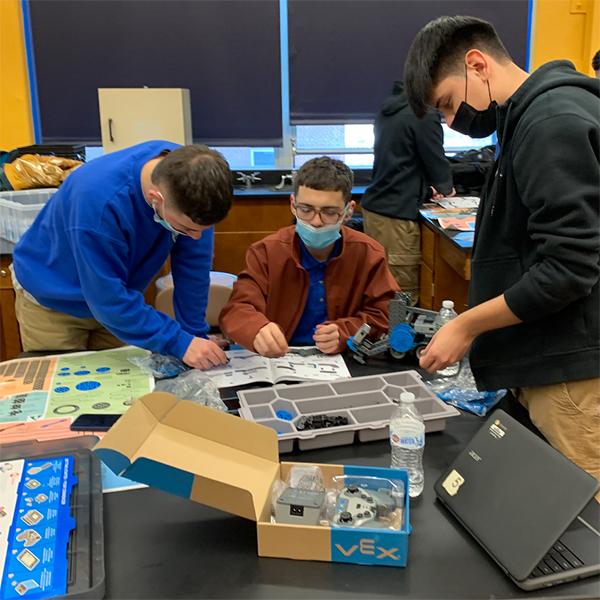
Hispanic workers represent just 8 percent of the STEM workforce, according to the Pew Research Center. The Latino STEM Alliance (LSA) seeks to increase that number.
To achieve its goal, the Boston-based nonprofit—which was founded by three Lati...
Whether you teach college chemistry, high school biology, or middle school science, a pH sensor is a great tool to help your students explore the fundamental scientific concept of pH.
But what is the best way to store a pH sensor? How do you cali...
Applying for a grant to fund your STEM education initiatives might feel daunting. However, this process doesn’t have to be overly complicated or time-consuming—and if you’re successful, it can be a huge benefit for your students and your schoo...