Sharing ideas and inspiration for engagement, inclusion, and excellence in STEM
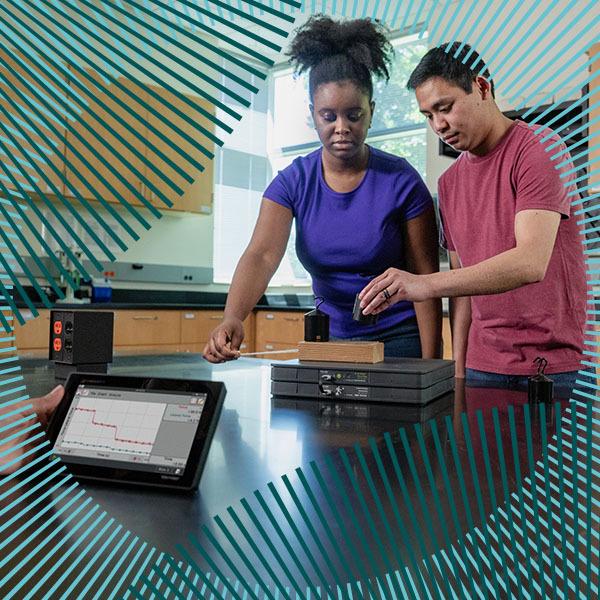
What does meaningful STEM learning look like in today’s classrooms? And what does it take to expand these experiences to more students served by GEAR UP programs?
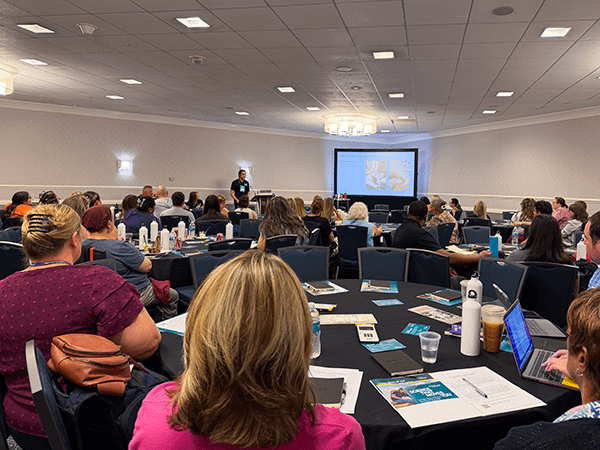
These questions framed the pre-conference workshop hosted by Vernier Science Education in partnership with Texas Instruments (TI) at the 2026 NCCEP GEAR UP Annual Conference. During the first of two sessions, teachers from the Vernier Trendsetters Community discussed how they use inquiry, live data collection and analysis, and real-world and career connections to engage students in meaningful learning.
Then, in the second session, GEAR UP leaders detailed two different approaches to engaging students in hands-on STEM learning—one presentation focused on partnering with school districts to equip teachers with classroom technology and yearlong professional learning, while the other showcased how engaging summer STEM camps can spark student interest and get students algebra‑ready.
Some of the biggest takeaways from these conversations include
- Live data collection, data analysis, and real-world problem solving using Vernier technology deepen scientific understanding and make STEM learning engaging and relevant.
- Start by understanding teacher and student needs before investing in new STEM resources.
- Grow educator confidence with new technology through ongoing coaching and support—not one‑time professional learning.
- Build trust and generate excitement among students, families, educators, and school leaders to create long‑term momentum.
What Meaningful STEM Learning Looks Like in Today’s Classrooms
Imagine having students investigate why a marathon runner collapsed during a race by analyzing physiological data to understand respiration and muscle fatigue or challenging students to recreate a motion graph using only their own movements. These types of engaging opportunities start with curiosity and help students experience science the way scientists do—by asking questions, collecting evidence, and making sense of what they observe.
The Vernier Trendsetters suggest these strategies for creating meaningful STEM experiences:
- Use live data collection and analysis to help students make sense of scientific concepts across math and science classrooms.
- Let students investigate before providing answers.
- Connect STEM learning to real‑world problems and future careers.
Live Data Collection and Analysis
Chris Coker, a chemistry and physics teacher at Camden Fairview School District in Arkansas, gives students opportunities to work with data rather than simply reading about scientific concepts.
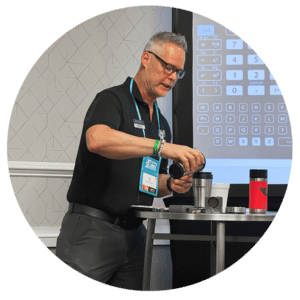
During the GEAR UP conference, Coker explained how hands-on data‑collection with Vernier technology supports students as they analyze, interpret, and communicate their findings and connect abstract concepts to concrete evidence. He emphasizes that experiments don’t need to be complicated or take a lot of prep to be successful.
For example, to introduce students to the relationship between Fahrenheit and Celsius, Coker has students use Go Direct® Temperature Probes to collect the temperature of various water samples—ice water, room temperature water, and warm water—then graph the results to reveal linear relationships.
“Once students learn it and own it, they’re going to understand it,” he said. “It’s pretty cool.”
As a T³ instructor, Coker also integrates TI graphing calculators with Vernier sensors into his chemistry and physics instruction. By collecting live data with the sensors and analyzing it directly on their calculators, students engage in hands‑on learning while connecting mathematical concepts to the scientific phenomena they are investigating.
Student-Led Investigation
Eric Robinson, a physics teacher with Glendale Unified School District in California, challenged educators to resist giving students all of the answers too soon. Instead, he said, students need opportunities to “figure out the science.” This philosophy is central to Modeling Instruction, the guided‑inquiry approach used by Robinson and his science department that encourages students to investigate phenomena, construct explanations, and make sense of evidence before formal instruction.
Robinson also values the use of backloading vocabulary. Instead of beginning a lesson by reviewing new scientific vocabulary, he encourages students to investigate a phenomenon first. This enables them to develop a baseline understanding before formal scientific language is introduced.
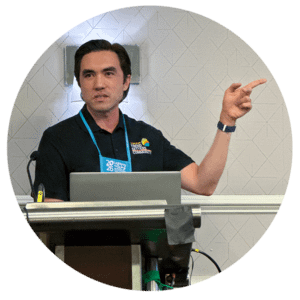
For example, by giving students activities to explore batteries and then using data-collection technology to investigate circuits and magnets before learning new terminology, his students have the opportunity to develop stronger conceptual understanding because language builds upon their learning experience.
Robinson also shared that backloading vocabulary and this inquiry-first approach was especially beneficial to English learners—in fact, his school’s English learner population has been closing the gap with the school’s general education population, year over year, on the California Science Test (CAST).
Real-World and Career Relevance
Biology and physiology teacher Crystal McDowell of Columbia County School District in Georgia reinforced the importance of giving classroom investigations real‑world relevance and showing students how their learning can be applied to future careers. McDowell uses case studies and real‑time data collection with Vernier technology to connect science concepts to real‑world healthcare scenarios.
In her classroom, students
- Analyze authentic case studies.
- Collect physiological data.
- Explore how science influences the human body.
- Hear from community professionals in the healthcare industry.
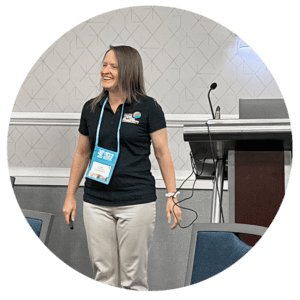
McDowell shared several examples of how Vernier data-collection technology helps Health Occupations Students of America (HOSA) and health science students connect what they are learning to real-world healthcare scenarios. For example, in one activity, students investigate the muscle fatigue of marathon runners by collecting and analyzing physiological data during exercise. In another, students use force sensors to determine the amount of pressure needed to control bleeding in a medical emergency.
“What’s more relevant than actually starting a lesson with a real-world, maybe even personal, story? It really helps students connect with what they are learning. It’s powerful,” she said, adding that connecting lessons to students’ own experiences, cultures, and future career opportunities also helps them see themselves in STEM.
Importance of Teacher Input
When asked by attendees how they can get their teachers excited about implementing hands-on technology and learning, the Vernier Trendsetters emphasized the importance of listening to teachers to really understand their needs and what will benefit them most in the classroom. For example, before selecting new instructional resources or technology, they recommend asking teachers questions such as
- What are your favorite lessons to teach?
- What is your favorite lab?
- What concepts do students consistently struggle to understand?
These conversations can help identify where hands-on investigations and data-collection technology will have the greatest instructional impact, helping students stay engaged and connect classroom investigations to the world around them.
If additional guidance is needed, the Vernier Trendsetters also suggested reaching out to technology partners, such as Vernier, directly to receive expert insights on
- The best technologies to meet teachers’ needs
- Different ways the technologies can be used with students and across classrooms
- Investigation ideas to support student engagement
Figuring out what kind of technology science teachers actually need—and then ensuring they receive the professional development on how to use it—is key, according to the Vernier Trendsetters.
Building Successful STEM Programs That Last
Building upon what meaningful STEM learning looks like, the second session explored what it takes to make these experiences sustainable across a GEAR UP program. In addition to quality instructional resources and technology, successful STEM initiatives depend on building trust, getting buy-in, and creating systems to support educators and students over time.
Supporting a New Initiative
Misty Heredia, academic content coach for science with the University of Texas Rio Grande Valley (UTRGV) GEAR UP, shared that introducing new instructional practices or technology often is met with initial hesitation—teachers already have demanding schedules, established routines, and varying levels of comfort with technology.
Drawing on UTRGV GEAR UP’s implementation of Vernier technology and yearlong teacher support, Heredia suggested several strategies for ensuring a smooth rollout of a new STEM initiative:
- Prioritize relationship building.
- Conduct a needs assessment.
- Identify instructional challenges and concepts students are struggling to learn.
- Align support with district priorities.
- Develop a clear implementation roadmap outlining expectations for both teachers and districts.
- Establish a yearlong schedule for professional learning.
- Communicate about the equipment, resources, and ongoing support participants would receive through the partnership.
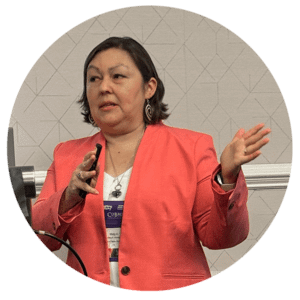
Together, professional learning communities, classroom coaching, implementation support, and ongoing collaboration gave Heredia’s teachers the confidence to integrate hands-on science and Vernier data‑collection technology into existing instruction instead of seeing it as one more thing to add to their workload.
Heredia emphasized that professional development should
- Extend beyond a single workshop.
- Give teachers the opportunity to practice new strategies, troubleshoot challenges, and collaborate with colleagues.
- Support teachers as they implement new ideas in the classroom.
She also stressed the importance of clearly communicating the value of participation and telling teachers exactly what they will gain from the experience.
This intentional approach has resulted in greater teacher confidence, enthusiasm, and technology adoption at UTRGV GEAR UP. As teachers in the initial cohort shared about their successful classroom experiences by word of mouth, interest in the program grew.
Building Buy-In
Cathleen Mary Cardenas, assistant director of GEAR UP Utah, discussed how a successful summer camp program has to generate enthusiasm and buy-in among students, families, educators, and school leaders alike.
When launching the program’s summer STEM camps in partnership with TI, GEAR UP Utah intentionally started small to refine the experience, build momentum, and get buy-in before expanding to additional sites.
To recruit students and build enthusiasm for STEM programs, Cardenas suggests
- Begin promoting opportunities before the school year ends
- Engage families throughout the recruitment process
- Encourage students to invite friends
- Highlight the experience students will have
- Build momentum through positive participant experiences
The team also recognized that how the program was presented mattered and branded the experience around engineering, coding, and hands-on problem solving. The camps were designed to get students “out of their chairs and thinking outside the box” and incorporated college visits, business and industry tours, and social activities.
Cardenas underscored that successful STEM programs such as this don’t rely on passive participation: Programs must intentionally build relationships, earn trust, and create experiences that students, families, educators, and community partners are eager to champion year after year. She explained that once participants have a positive experience, building support for future opportunities becomes much easier.
Bringing It All Together
Whether the goal is transforming classroom instruction, expanding hands-on STEM opportunities, or getting buy-in across a GEAR UP program, meaningful STEM experiences begin with supporting teachers and students.
This means providing teachers with the resources, coaching, and professional learning they need to create learning experiences that invite students to ask questions, collect evidence, and connect science to their everyday lives. It also means administrators and program leaders need to build systems grounded in collaboration, sustained professional learning, and strong partnerships that keep this work moving forward.
With these pieces in place, schools, districts, and GEAR UP programs can create meaningful STEM experiences that prepare students for postsecondary education and future careers while fostering the curiosity, confidence, and problem‑solving skills they need for long‑term success.
Ready to explore how your school or GEAR UP program can partner with Vernier? Vernier works alongside GEAR UP programs and educators to find the right science solutions for your schools and students—from equipment planning to implementation support.
Learn more about our support for GEAR UP grantees or reach out to k12outreach@vernier.com to start a conversation.
Share this Article
Related Articles


Sign up for our newsletter
Stay in the loop! Beyond Measure delivers monthly updates on the latest news, ideas, and STEM resources from Vernier.