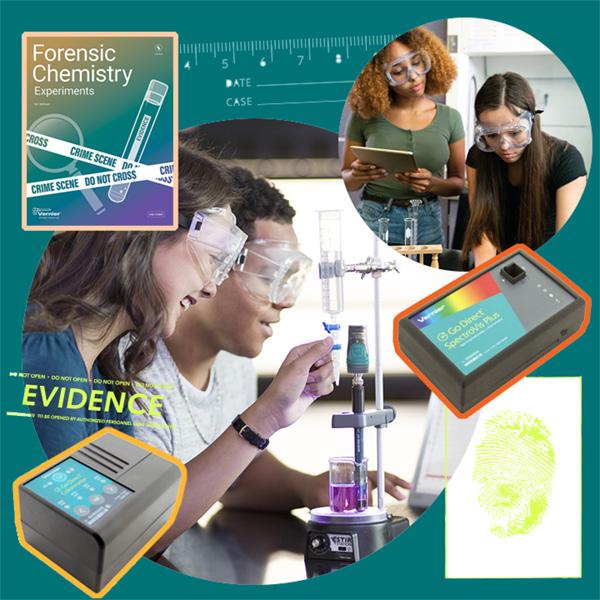
Looking for a way to make chemistry class more exciting for your students? One approach is to use fictitious crimes to provide real-world learning opportunities at the crossroads of chemistry fundamentals and crime scene analysis.
With our ...
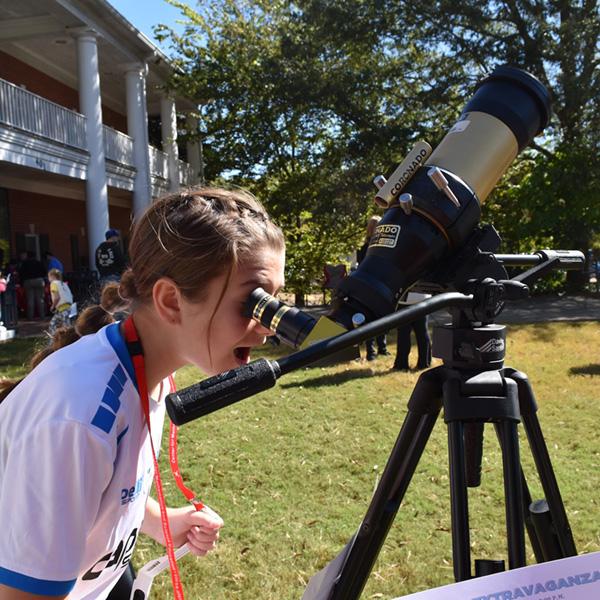
It seems like all the celestial bodies were in alignment on Saturday, October 14, 2023, in Oxford, Mississippi, just in time for the much-anticipated annular solar eclipse. Christian Clark, a graduate research fellow at the Center for Math and Scien...
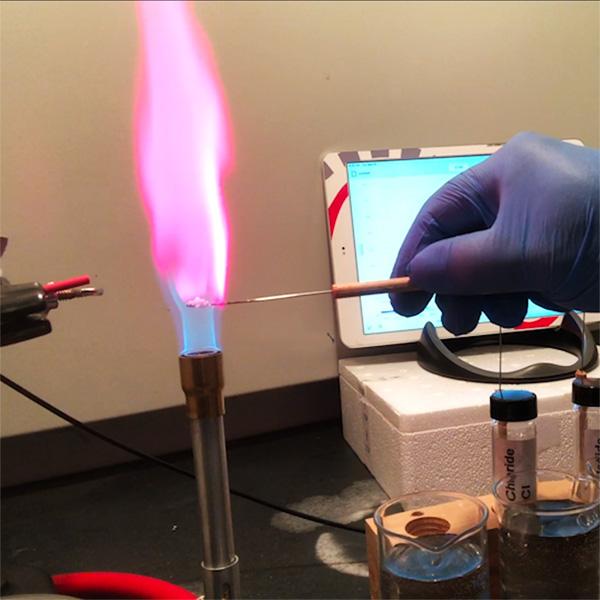
While Beer’s law might be the most common experiment that comes to mind when thinking about spectrometers, spectroscopy is fundamental throughout the first year of chemistry! And because it’s such a powerful tool for teaching chemistry fund...
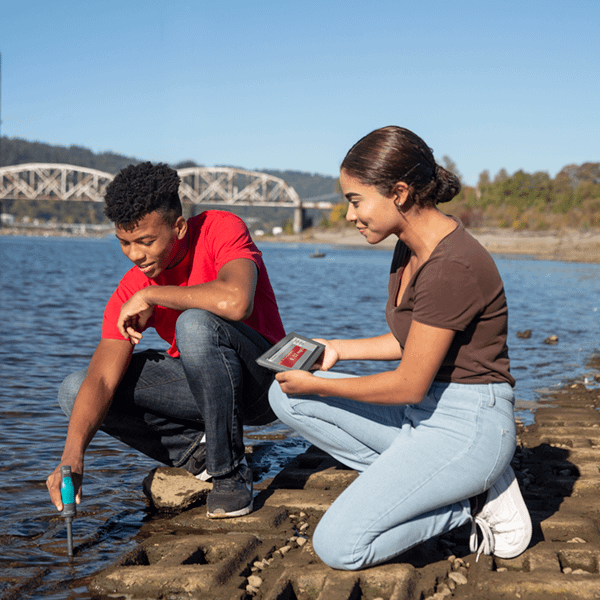
In biology, ecology, and environmental science classes, accurate measurement of dissolved oxygen (DO) levels in water is crucial for understanding aquatic ecosystem health. Collecting precise data is key, and sensors like the Vernier Optical DO Prob...
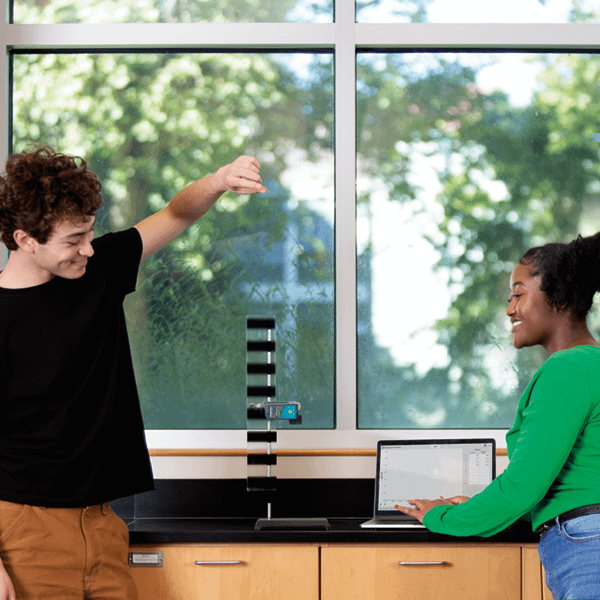
Photogates, at first glance, are one of our simplest sensors. They can capture incredibly precise snapshots of an object’s motion data utilizing just two LEDs. But despite their relative simplicity, photogates are actually incredibly versatile. Th...
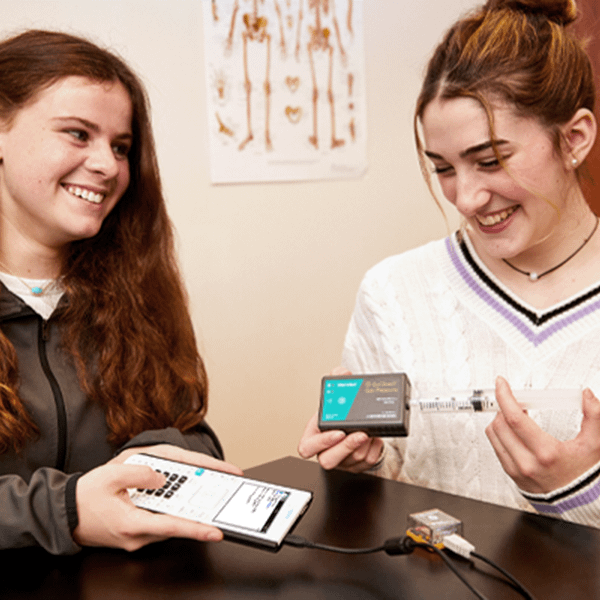
What do science students get when teachers connect Vernier Go Direct® sensors with TI’s Python-capable graphing calculators? An easy-to-use, portable and wireless data collection system that gets them more engaged in their learning!
...
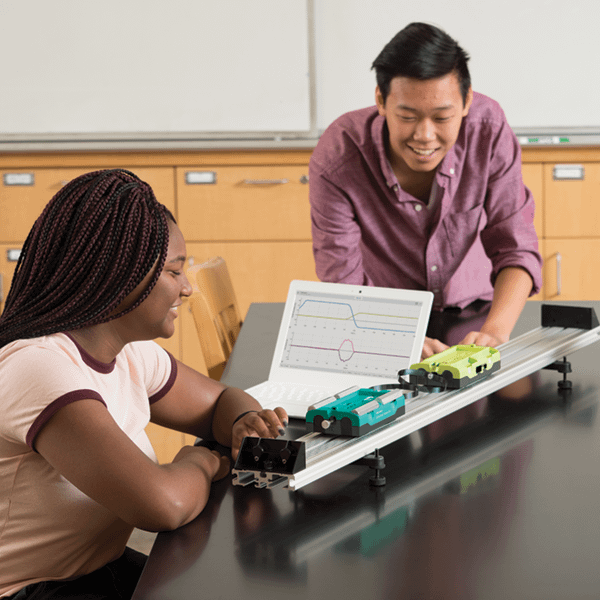
The Dynamics Cart and Track System is at the core of every physics lab. These versatile setups equip students with the tools they need to explore fundamentals in kinematics, dynamics, momentum, and energy.
In this blog post, we will explore...
Happy National Chemistry Week!
This week, we’re standing alongside the science community in recognizing the extraordinary role that chemistry plays in our health and well-being. Countless breakthroughs owe their success to medical experts and s...
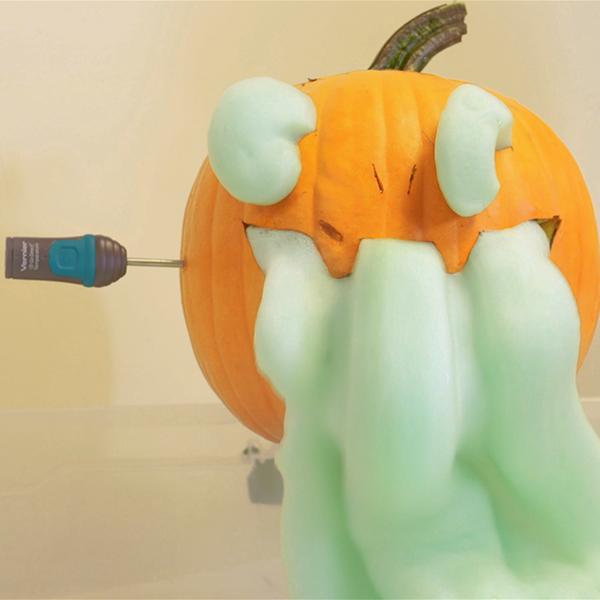
As we officially move into autumn and begin creeping closer to the spookiest season of the year, it’s the perfect time to add a little bit of pumpkin spice to your science curriculum.
We’re sharing two of our favorite seasonal and spooky data...
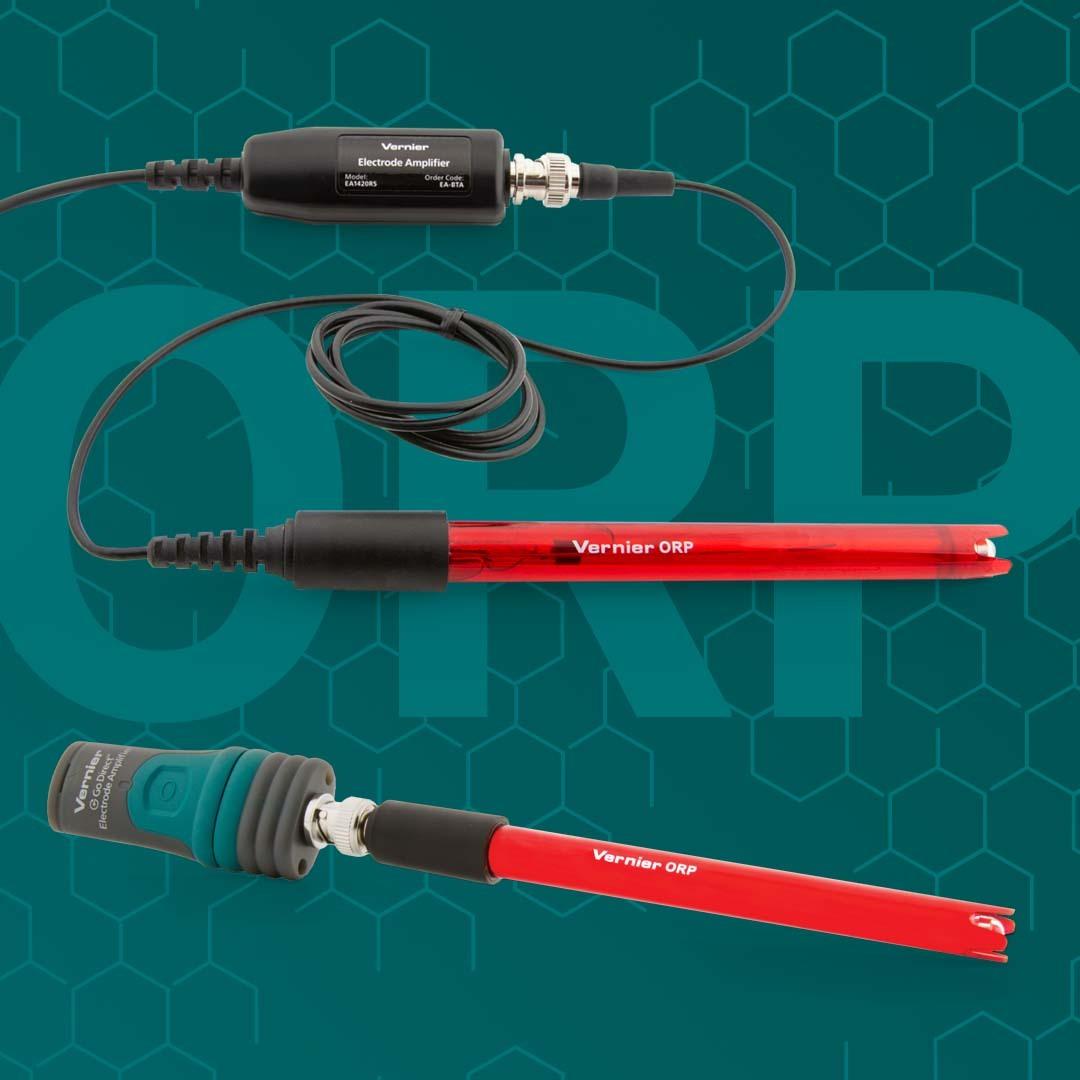
An Oxidation Reduction Potential (ORP) Sensor measures the real-time activity of oxidizers and reducers in a wide range of aqueous solutions, including natural waters, industrial effluents, and biological samples. Also referred to as a redox measure...