Vernier Science Education is now accepting applications for its 2026 Inspiration Grants. This grant program recognizes innovative middle school, high school, and college educators nationwide who engage—or seek to engage—STEM students with d...
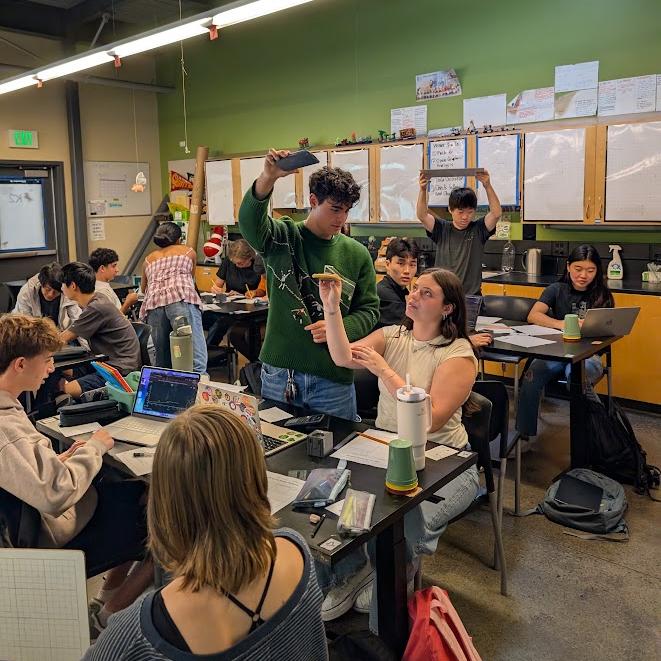
The first days of a new school year set the tone for everything that follows. Before students dive into a mechanics unit, they need time to get comfortable with the tools, build confidence with data collection, and start thinking like scientists. Mo...
All Vernier Go Direct® sensors now connect seamlessly to Tuva's data, graphing, and statistical tools to support students during hands-on science labs and investigations.
Vernier Science Education is now the exclusive probeware partner...
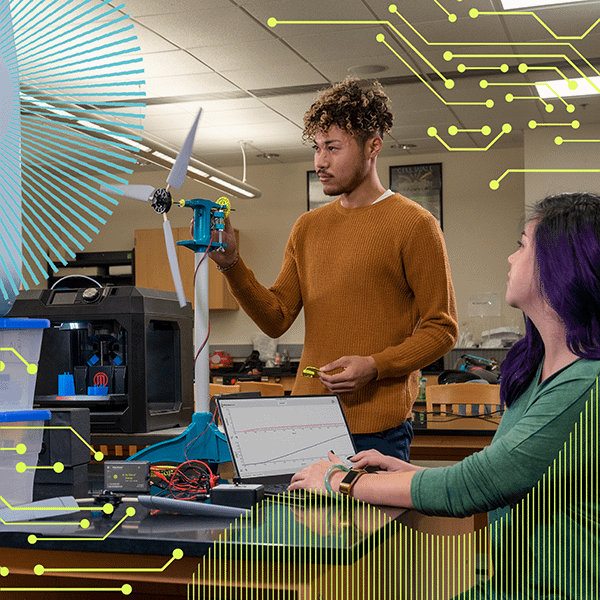
Generative AI has changed what students can produce in a matter of seconds. It can generate explanations, summarize scientific concepts, propose experimental procedures, and interpret data. These capabilities create new opportunities for scien...
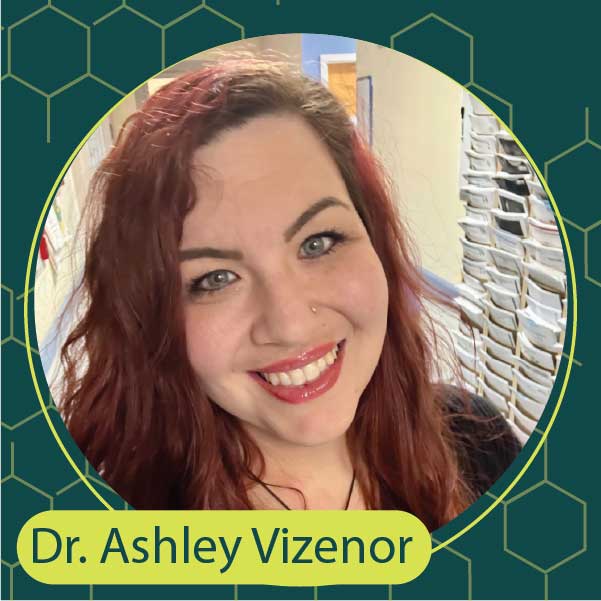
At Barstow Community College in Barstow, California, Dr. Ashley Vizenor teaches chemistry and physical science to students pursuing a wide range of paths—from chemistry and biology majors to future nurses, allied health professionals, and e...
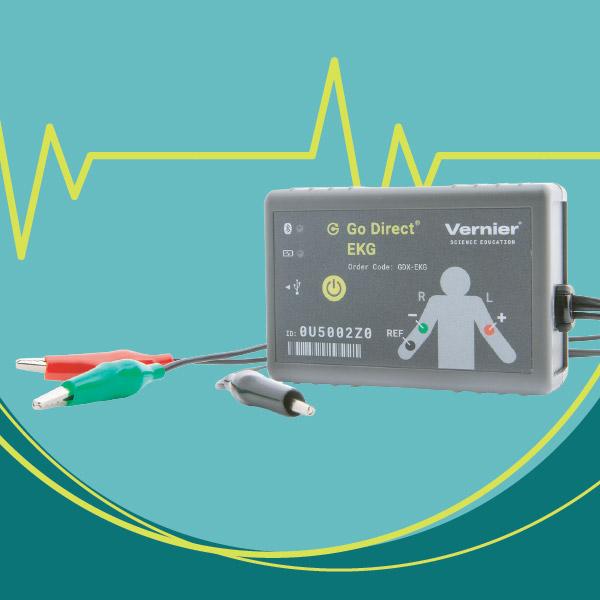
The human heart beats approximately 100,000 times a day, while our muscles contract every time we move. But what’s happening electrically inside the human body to make all of this possible? Electrocardiography (EKG) and electromyography (EMG)...
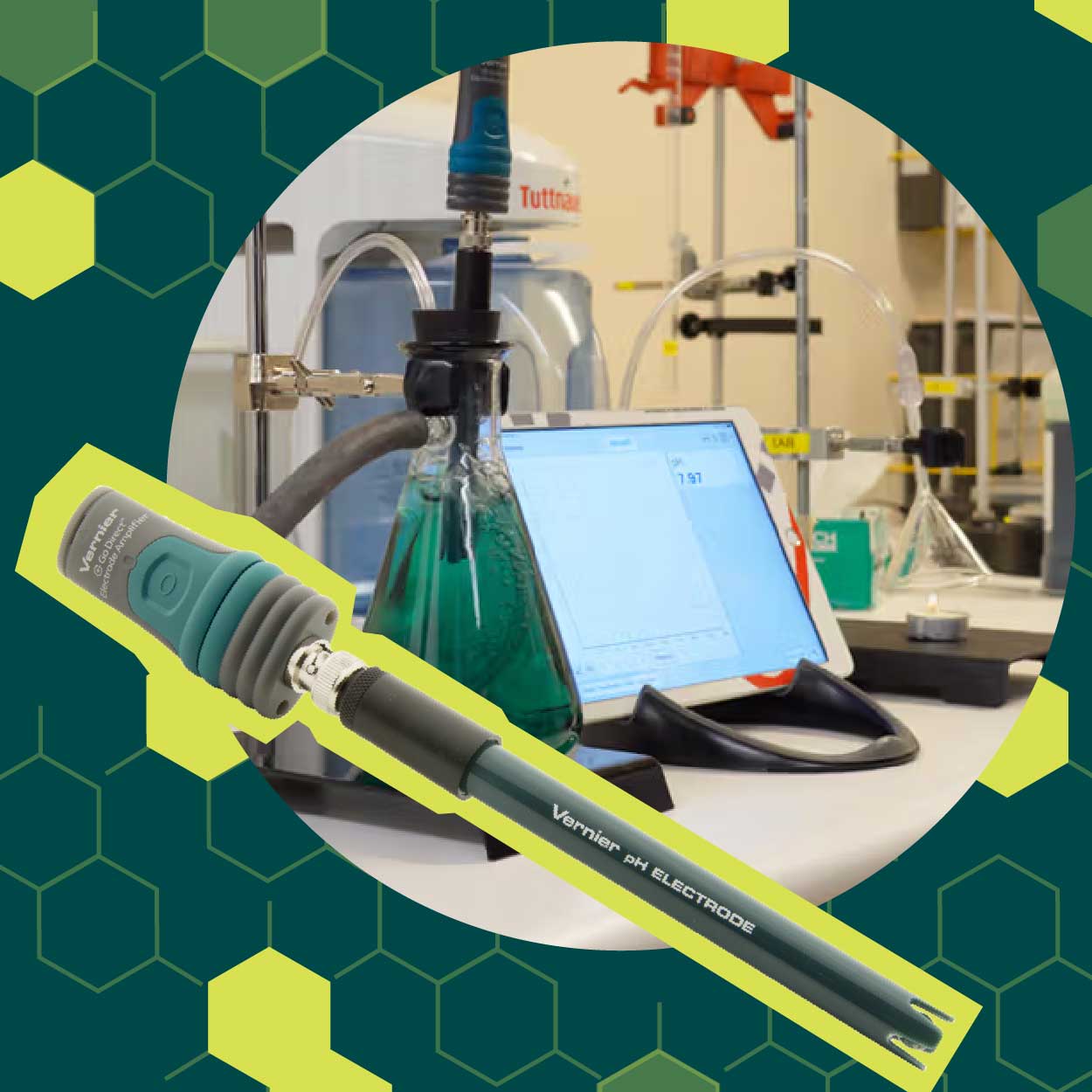
National Chemistry Week runs October 18–24, and this year's theme, Chemistry of Construction, is a natural fit for studying acid rain. Acid rain forms when atmospheric gases like sulfur dioxide, nitrogen dioxide, and carbon dioxide react wit...
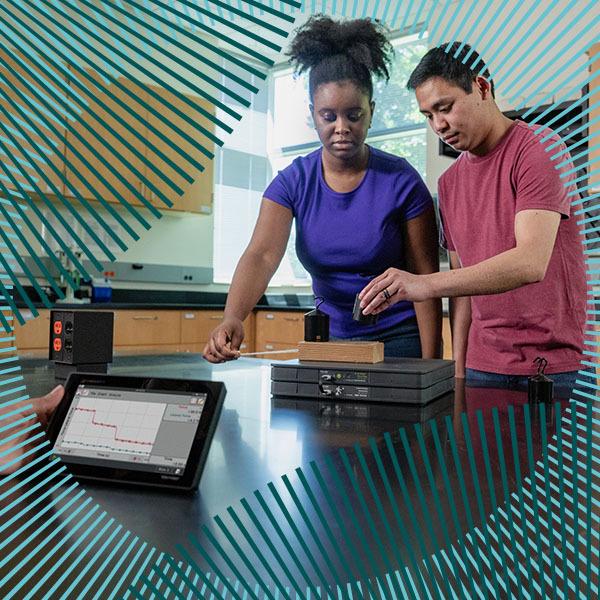
What does meaningful STEM learning look like in today’s classrooms? And what does it take to expand these experiences to more students served by GEAR UP programs?
These questions framed the pre-conference workshop hosted by Vernier Sc...
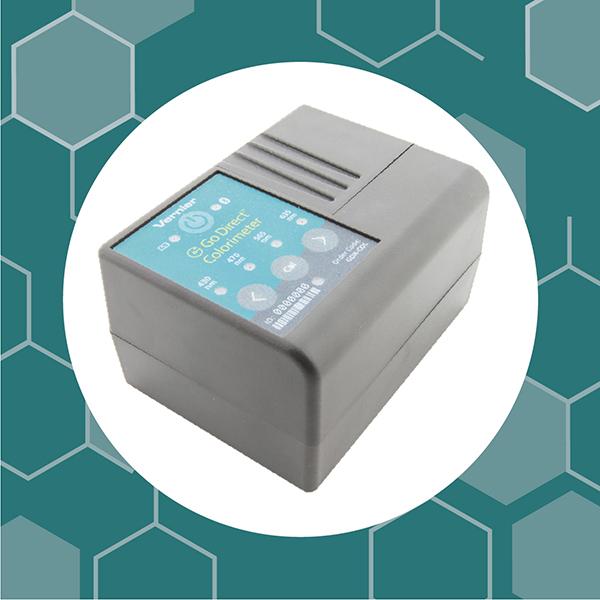
Answering questions like “How concentrated is this sample?” or “How fast is this reaction changing color?” involves more than simply observing a substance’s appearance. It requires students to measure and analyze the absorbance and transmi...
Vernier Science Education recently launched new middle school lessons for Vernier Connections® powered by Penda, expanding its online instructional platform with NGSS-aligned science content for grades 6-8. The collection of phe...